How IKN Tourism Growth Will Hit Derawan 2027
Updated: August 2026
IKN driven tourism growth is forecast to push Derawan Archipelago visitor numbers by year to around 1.5–2 times current levels by 2027, as new Balikpapan–IKN roads and flights shorten access from Bali and Java. Expect higher average spend, stricter fishing regulations, and more CHSE-style resort standards across Derawan.
How will Indonesia’s new capital (IKN) change access and visitor numbers to Derawan by 2027?
The relocation of Indonesia’s capital to Ibu Kota Nusantara (IKN) in East Kalimantan places Derawan Archipelago within the same macro‑destination as the national administrative hub. By 2027, improved roads between Balikpapan, IKN and Berau, plus extra flights into Kalimarau Airport in Berau, are expected to cut overall Bali–Derawan travel time by several hours compared with 2020-era routes.
Today, travellers fly (booked by themselves) to Kalimarau Airport (BEJ) in Berau, drive about 2.5 to 3 hours to Tanjung Batu, and continue about 40 minutes by speedboat to Derawan Island. As IKN opens in stages through 2024–2027, domestic and regional airlines are already signalling additional capacity into Balikpapan to serve government, construction and service-sector traffic. That capacity typically spills into leisure demand on weekends and holiday periods.
The result is a likely step‑change in Derawan Archipelago visitor numbers by year. From a relatively niche dive and turtle‑watching destination in the 2010s, Derawan is on track to become a standard add‑on for officials and business travellers posted to IKN, as well as the broader derawan archipelago domestic indonesian market from Java and Sulawesi using new air routes and shorter surface transfers.
What infrastructure upgrades should travellers expect in Derawan Archipelago by 2027?
IKN is already catalysing derawan archipelago 2027 infrastructure updates, as provincial and district governments align tourism planning with the capital’s opening. Priority works publicly discussed include better road surfacing on key Berau–Tanjung Batu segments, expanded jetties on Pulau Derawan and Maratua, and reliability upgrades to island electricity and telecoms.
On the accommodation side, multiple resorts are upgrading to CHSE-style hygiene and safety standards, in parallel with national programs. Properties positioning as the best derawan archipelago resort are adding desalination, wastewater treatment and emergency radio links to comply with stricter provincial requirements for marine destinations located inside the Berau Marine Protected Area.
These derawan archipelago 2027 infrastructure updates are designed to support a shift toward quality, regulated tourism, discussed in more depth in our guide to Derawan Archipelago 2027 Quality Tourism Shift.
How will regulations around fishing, health and safety change with IKN-driven growth?
Derawan lies inside the Berau Marine Protected Area, part of the Sulu‑Sulawesi Marine Ecoregion and Coral Triangle. As IKN raises the international profile of East Kalimantan, enforcement of derawan archipelago fishing regulations is expected to tighten by 2027. Anticipated measures include clearer zoning for no‑take turtle nesting beaches, manta and jellyfish lakes, plus stricter controls on destructive fishing gear.
Visitor health management is another focus. Government programs are prioritising better information on derawan archipelago malaria and dengue risk, with campaigns for bed‑net use, insect repellent and early treatment at island clinics. More formalised derawan archipelago emergency contact numbers are likely to be displayed at jetties, dive centres and hotels, linking local guides, coastguard posts and Berau health facilities.
Tour boat and dive operators are preparing for mandatory manifest reporting, life‑jacket checks and weather‑based sailing advisories, in step with national maritime safety rules. These changes align with the push for Derawan Archipelago 2027 CHSE Certified Stays, which aim to reassure both the domestic and regional markets as the area absorbs higher visitor flows connected to the new capital.
How will IKN influence accommodation, costs and the style of stays in Derawan by 2027?
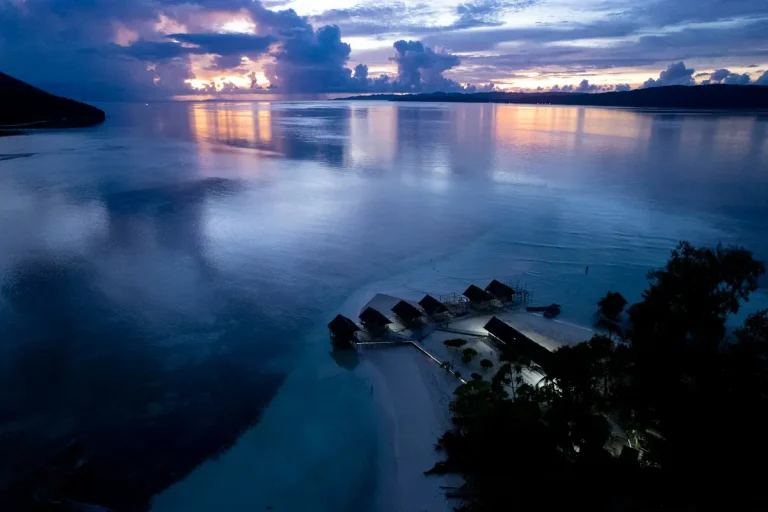
More officials, corporate travellers and higher‑spend domestic families linked to IKN are already reshaping accommodation demand. By 2027, expect a clearer split between budget homestays and mid‑ to upper‑scale resorts, particularly on Derawan and Maratua. The derawan island beachfront bungalow format—simple wooden rooms directly over or facing the water—will continue, but with more air‑conditioning, better Wi‑Fi and in‑room safety features.
As of August 2026, our Derawan trips start from USD 280 per person on the 4D3N Open Trip, or USD 1,290 in total for 2 guests on a 3D2N private trip (Standard), including car and speedboat transfers, meals and guided snorkelling; the exact figure depends on the stay you choose.
Online searches for “derawan archipelago hotel near me” increasingly surface both long‑standing family lodges and professionally managed villas that cater to business travellers pairing IKN visits with short marine breaks. Properties aiming to be perceived as the best derawan archipelago resort are investing in meeting spaces, fibre‑backed connectivity and concierge‑style experiences to match expectations formed in Bali and Jakarta city hotels.
What about activities: snorkeling, diving, photography and even underwater weddings?
Derawan’s location in the Coral Triangle, with green turtle nesting beaches and jellyfish lakes, is already a draw for divers and image‑makers. With easier access from IKN and Balikpapan, tourism boards expect more niche segments by 2027: derawan archipelago underwater wedding shoots, conservation‑themed dive expeditions, and specialist derawan archipelago underwater photography tips workshops.
Operators are standardising derawan archipelago photography gear checklist suggestions for visitors: at least a 28 °C‑rated housing, dual video lights, red filters for ambient scenes, and spare batteries able to handle two to three dives per day. Higher volume from IKN will likely see more camera‑friendly rinse tanks and charging stations built into boats and resorts.
For non‑divers, curated Derawan Archipelago Snorkeling Tours that visit turtles, manta cleaning stations (seasonally) and shallow reefs will remain key. Some resorts already offer derawan archipelago underwater wedding shoots in calm lagoons, coordinating with local village leaders to respect cultural norms and protected areas while still capturing distinctive images for couples travelling via IKN and Bali.
How should visitors plan around seasons, weather and health in a busier 2027 Derawan?
The climate in Derawan is warm and humid year‑round, with air temperatures roughly 23–32 °C and sea temperatures around 28 °C. The dry season from April–November generally brings calmer seas and 20–30 metre underwater visibility, while December–March is wetter, with January–February usually the rainiest months.
Travellers asking about derawan archipelago weather in january should plan for short, intense showers, more variable boat schedules, and sometimes lower visibility, yet enjoy fewer crowds. As IKN increases overall demand, early booking will matter even in shoulder seasons, especially for limited‑capacity dive lodges and derawan island beachfront bungalow stays on weekends aligned with government holidays.
On health, awareness around derawan archipelago malaria and dengue risk is expected to rise alongside government messaging tied to the new capital’s health protocols. Long sleeves at dusk, repellent, and choosing screened or air‑conditioned rooms will stay important. Visitors should keep derawan archipelago emergency contact numbers from their lodge, dive operator and travel insurer accessible, as telecommunication coverage improves but remains patchy offshore.
- Fly (booked by you) to Kalimarau Airport (BEJ) in Berau, then about 2.5 to 3 hours by road and about 40 minutes by speedboat to Derawan.
- Dry season (April–November) usually offers calmer seas and clearer water; January–February often see the heaviest rains.
- As of August 2026, our Open Trip 4D3N: USD 280 per person (VIP USD 300), minimum 7 guests, including local transport and meals.
- Allow 3–6 months lead time for peak‑season derawan island beachfront bungalow or top dive resort bookings tied to IKN conferences.
- Check with your lodge or operator for up‑to‑date derawan archipelago emergency contact numbers before any private boat trip.
- Pack a derawan archipelago photography gear checklist: underwater housing, dual lights, spares, and moisture absorbers for humid rooms.
- Confirm current derawan archipelago fishing regulations if planning catch‑and‑release activities with local boats.
Frequently asked questions
how much does IKN Driven Tourism Growth Impact On Derawan 2027 cost in Bali?
The “cost” shows up in package pricing and time. As of August 2026, flights to Kalimarau Airport (BEJ) in Berau are booked by you, while the car and speedboat transfers are included in our trips. IKN‑driven demand could nudge flight prices higher on peak dates but improves flight frequency and overall access.
is IKN Driven Tourism Growth Impact On Derawan 2027 worth it in Bali?
For Bali travellers seeking wilder reefs, turtles and quieter islands, the IKN‑linked growth is generally positive. More flights into Berau shorten multi‑stop journeys, mid‑range resorts upgrade facilities, and safety standards rise. The trade‑off is higher occupancy on prime dates, so advance planning and off‑peak travel can maximise value and experience.
what is included in IKN Driven Tourism Growth Impact On Derawan 2027?
Practically, it means better connectivity through Balikpapan and IKN, upgraded jetties and airports, more CHSE‑oriented resorts, clearer derawan archipelago fishing regulations, formalised emergency contacts, and expanded activities like organised snorkeling and photography trips. Our Derawan trips combine transfers from Kalimarau Airport, accommodation and guided snorkelling; flights are booked by you.
How will IKN affect derawan archipelago equipment rental options?
Higher visitor volumes from IKN and Balikpapan are encouraging operators to standardise derawan archipelago equipment rental. By 2027, expect more reliable stocks of snorkel sets, dive gear, life jackets and basic camera accessories, plus clearer pricing. Bringing personal masks, regulators and key camera items still ensures comfort and compatibility with your preferred setup.
How do I choose the best derawan archipelago resort for my trip?
Decide first between a dive‑focused stay on Maratua, a village‑based experience on Derawan, or a mix across islands. Then compare access to jetties, generator or grid power, and proximity to key dive/snorkel sites. Reviews that mention strong safety briefings, CHSE‑style hygiene, and organised boat schedules are valuable indicators in a fast‑developing 2027 market.
To plan a Derawan trip around an IKN or Bali stay (flights booked by you; our trips start and end at Kalimarau Airport in Berau), see the Derawan Archipelago Packages From Bali guide or contact WhatsApp 628119941919 or sales@indonesiajuara.asia (Indonesia Juara team Juara Holding Group).
Last updated 1 August 2026