Eco‑Lodge Investment In Derawan By 2027

Updated: August 2026
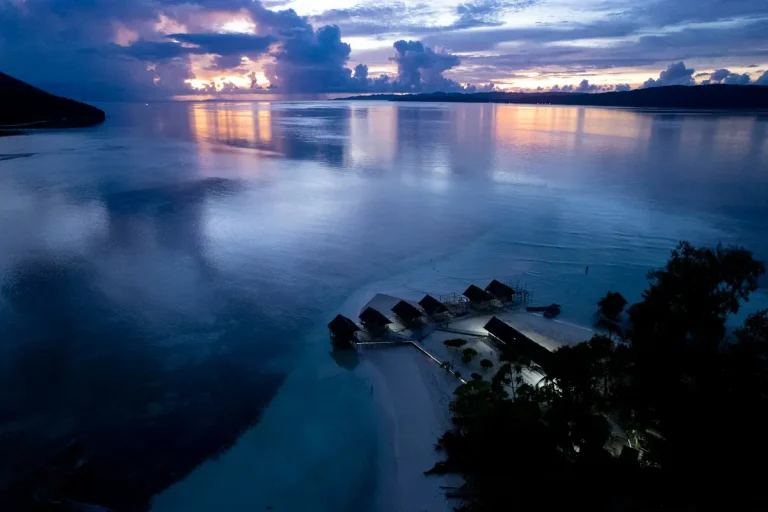
Derawan Archipelago Eco Lodge Investment 2027 generally requires US$350,000–US$900,000 for a 6–15 key project, depending on land lease, build quality, and jetty access (as of August 2026). Within East Kalimantan’s tourism investment roadmap, small eco‑lodges are best positioned on Derawan and Maratua for low‑impact growth and wildlife‑focused stays.
How does eco-lodge investment fit into East Kalimantan tourism investment in Derawan by 2027?
East Kalimantan’s tourism planning increasingly recognises Kepulauan Derawan as a complementary alternative to Bali, particularly for marine conservation and slow-travel stays. The Berau Marine Protected Area, formalised in 2005 and covering about 1.27 million hectares, anchors this strategy by prioritising low-impact developments over large resorts.
Within this framework, eco‑lodges and eco homestays are used to distribute visitor spending directly into island communities on Derawan and Maratua. The archipelago holds 31 islands, with Derawan (around 3.5 km²) and Maratua (around 20 km²) as inhabited hubs. This scale favours small‑footprint properties, not mass hotel corridors.
By 2027, the provincial goal is to grow arrivals via flights to Kalimarau Airport (BEJ) in Berau while protecting key habitats such as turtle nesting beaches and Kakaban’s jellyfish lake. Small eco projects: a derawan archipelago eco lodge business model, derawan island eco homestay with turtles, and hybrid dive‑wellness retreats, are aligned with this “high-value, low‑volume” direction instead of high‑density construction.
Where are the best eco-lodge locations compared to the best Derawan Archipelago hotel builds?
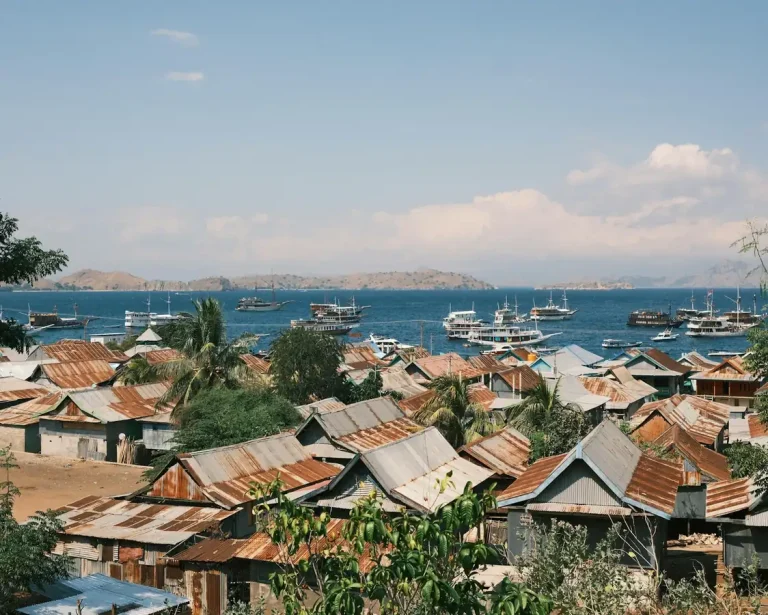
Derawan Island and Maratua currently offer the strongest mix of access, conservation value, and community support. On Derawan, plots within walking distance of the main jetty enable a derawan island guesthouse near jetty concept. Such locations integrate easily with the derawan island walking tour route past village houses, turtle beaches, and small warungs, supporting local services instead of isolating guests.
Maratua’s 20 km² and four villages open space for “edge of village” eco-lodges, allowing privacy while keeping staff, supplies, and boat fuel use efficient. This contrasts with standalone mega-resort sites that demand high-capacity utilities and heavy shore modification. Investors targeting “best derawan archipelago hotel” branding increasingly look to upscale‑eco hybrids rather than conventional concrete towers.
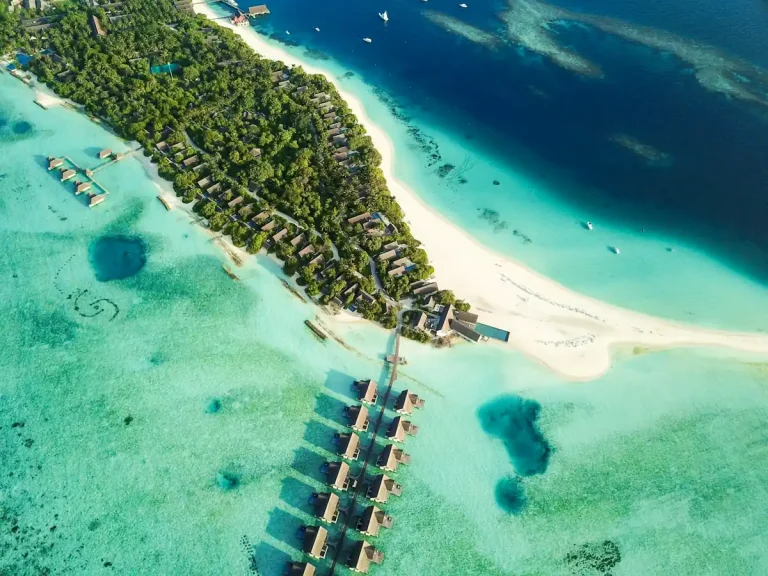
Conservation data around green turtle nesting and coral diversity also points investors away from sensitive beach sections. Designs that cluster 8–15 keys on already-disturbed land, with raised walkways and natural-setback swimming points, are now more attractive for both permitting discussions and long-term guest satisfaction than larger structures dominating the shoreline.
What does a Derawan Archipelago eco lodge business model look like in practice?
A typical derawan archipelago eco lodge business model by 2027 blends three primary income streams: stay revenue, experience packages, and transport services. Eco lodges with 6–12 rooms or villas often package accommodation with guided snorkelling, turtle‑watching, and soft‑adventure activities, shaped around the archipelago’s marine-protected status.
For example, a derawan archipelago eco resort package could combine three nights in a seafront bungalow, guided excursions to Sangalaki and Kakaban, a night snorkel to see feeding turtles, and the use of kayaks or paddleboards. On Derawan Island, homestay‑scale investors can go further by integrating “derawan island eco homestay with turtles” positioning, hosting small groups for conservation briefings and village dinners.
Transport add‑ons also matter. Providing or partnering for derawan archipelago speedboat rental from Tanjung Batu, and coordinating flight connections to Kalimarau Airport (BEJ) in Berau, adds margin while simplifying guest logistics. Margins usually improve when direct booking packages (sometimes searched as “derawan archipelago package near me”) are offered to markets like Jakarta, Surabaya, Singapore, and Kuala Lumpur, instead of relying purely on OTAs.
How does demand to 2027 support Derawan Archipelago eco lodge investment?
Demand projections to 2027 are shaped by three trends: rising domestic interest in marine nature escapes, limited capacity on small islands, and mild seasonality rather than extreme monsoon closures. The best season, April–November, remains the core period for higher nightly rates.
However, manta sightings often increase around November–December, so derawan archipelago weather in december can still be commercially attractive for specialised dive or wildlife stays, even with higher rainfall. This extends the revenue window compared with destinations that fully shut in the wet season. A separate briefing on Derawan 2027 Diving Conditions And Seasonality gives more operational detail for investors.
Growing digital nomad and corporate demand also matters. Infrastructure upgrades on Berau and Maratua allow hybrid derawan archipelago wellness corporate retreats and remote-work residencies, particularly once co-working‑grade internet is installed, as described in Derawan Archipelago 2027 Remote Work Infrastructure. Combined with rising domestic middle-class travel, the overall outlook in the Derawan Archipelago Visitor Projections To 2027 analysis remains positive for well-located eco‑lodges with strong online distribution.
What are realistic returns and costs for Derawan eco-lodges by 2027?
For a compact, 8–10 key eco-lodge on Derawan or Maratua, total development budgets commonly range from US$350,000–US$600,000 (as of August 2026), excluding land if a long lease is secured. Higher-end builds with private pools and more elaborate over‑water decks can reach US$900,000+ for 12–15 keys, especially with imported fit-out materials.
Operating costs depend heavily on energy choices and logistics. Solar‑heavy designs and rainwater storage reduce diesel and shipping costs, but demand higher upfront CAPEX. Returns often strengthen when investors offer integrated derawan archipelago small business opportunities to local partners—outsourcing laundry, day‑boat hire, handicrafts, and food supply—because this improves community acceptance and lowers staff turnover.
On the revenue side, fully curated derawan archipelago eco resort package offers can support higher ADR than room‑only listings, especially for guests comparing the derawan archipelago cheapest way to visit with more comfortable “door-to-door” packages. Capital recovery horizons of 7–12 years are realistic, depending on occupancy, financing terms, and how quickly direct international marketing channels mature by 2027.
How do eco-lodges integrate with medical, logistics, and regional market realities?
Eco-lodge investors must plan for distance from major hospitals. On Maratua, the maratua nearest clinic offers only basic care; serious cases require boat transfer and onward travel via Berau. This makes clear SOPs, staff first-aid training, and evacuation arrangements essential components of any operational plan.
From a market perspective, East Kalimantan’s proximity to Singapore and Jakarta supports regional weekend and short-break demand, although direct commercial flights remain limited. Singapore-origin travellers sometimes pair Derawan with urban breaks and even shopping at areas often marketed similarly to a “derawan archipelago singapore weekend market” concept—eco stays plus city time.
To compete with urban and Bali-based alternatives, eco-lodges increasingly add soft wellness (yoga decks, local spa rituals) and nature‑based team-building, aligning with the derawan archipelago wellness corporate retreats segment. Positioning as part of a broader Derawan Archipelago Luxury Private Stays portfolio can help attract premium groups that value privacy and intact marine environments over nightlife.
- Indicative build budget for 8–10 key eco-lodge: US$350,000–US$600,000, excluding land (as of August 2026).
- Access route: fly (booked by you) to Kalimarau Airport (BEJ) in Berau, about 2.5 to 3 hours by road to Tanjung Batu, then about 40 minutes by speedboat.
- Optimal planning horizon aligns with the best season (April–November) for heavy works; wet months reserved for lighter fit-out.
- Target occupancy for stable returns: 45–60% annually, with higher July–September and November–December wildlife peaks.
- Minimum emergency plan: first-aid trained staff, boat-ready evacuation protocol to maratua nearest clinic or mainland facilities.
- Community agreements typically include local hiring targets, waste management support, and shared jetty or path maintenance.
- Standard eco-lodge scale: 6–15 rooms or villas to remain compatible with the Berau Marine Protected Area’s low-impact guidelines.
Frequently asked questions
how much does Derawan Archipelago Eco Lodge Investment 2027 cost in Bali?
The concept “Derawan Archipelago Eco Lodge Investment 2027” refers to investing in eco properties within East Kalimantan, not Bali. For comparison, Bali land and build costs are generally higher; in Derawan, full lodge budgets often run US$350,000–US$900,000 for 6–15 keys (as of August 2026), excluding premium beachfront freehold purchases.
is Derawan Archipelago Eco Lodge Investment 2027 worth it in Bali?
Investors comparing Bali and Derawan should see them as complementary rather than competing. Bali brings volume and existing infrastructure; Derawan offers lower density and direct access to the Coral Triangle. For portfolios seeking marine conservation positioning and smaller, higher‑margin assets, Derawan Archipelago eco-lodge exposure can be a valuable complement.
what is included in Derawan Archipelago Eco Lodge Investment 2027?
Typically included are site identification, high-level feasibility around East Kalimantan tourism investment in Derawan, concept planning for eco units, basic financial modelling, and guidance on logistics such as derawan archipelago speedboat rental and air access. Project-specific items like land leases, construction contracts, and operational teams are usually budgeted separately.
How can eco-lodge investors tap into derawan archipelago small business opportunities?
Eco-lodges can contract local families for guiding the derawan island walking tour route, supplying fish and vegetables, laundry, handicrafts, and boat operations. Offering homestay extensions and partnering on a derawan island guesthouse near jetty concept spreads income, increases community buy-in, and helps guests experience authentic village life within the marine protected area framework.
How do visitors typically buy a derawan archipelago package near me?
Most guests search online via regional OTAs or directly contact operators offering a derawan archipelago eco resort package, bundled with transfers from Kalimarau Airport (BEJ) in Berau. Some combine this with city breaks and shopping, while others focus purely on marine activities, making flexible add‑on options important for eco-lodge sales strategies.
To explore tailored eco-lodge or private-stay investment options in the Derawan Archipelago by 2027, contact the Indonesia Juara team via WhatsApp 628119941919 or email sales@indonesiajuara.asia.
Last updated 1 August 2026