Derawan’s Shift To Quality Tourism By 2027
Updated: August 2026
Derawan Archipelago 2027 Quality Tourism Shift means capping arrivals at an estimated 60–70% of the 2019 peak while targeting a 30–40% increase in average spend per guest. By focusing on low‑impact visitors, community‑run services and conservation fees, the islands aim to grow tourism income without overloading reefs, turtles, or village life.
How is Derawan tourism policy changing between now and 2027?
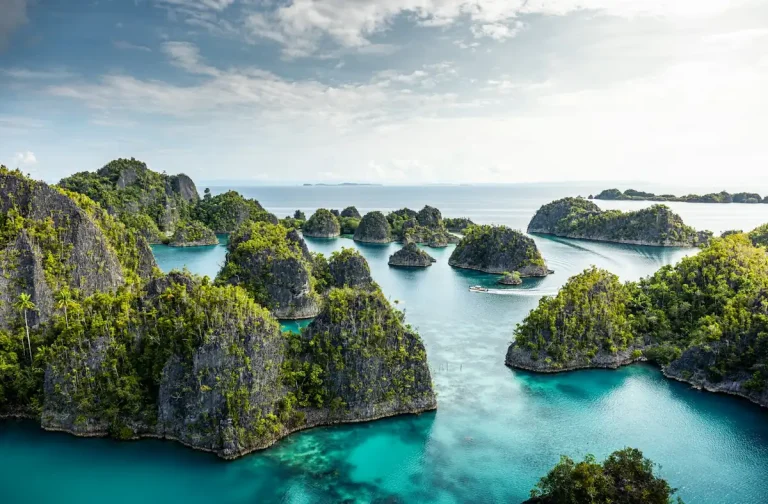
By 2027, public plans for Berau’s marine protected area and local village regulations are converging around a simple idea: fewer visitors, higher value, gentler footprints. Since the Berau Marine Protected Area was formalised in 2005 over roughly 1.27 million hectares, officials and community groups have tracked coral stress and turtle nesting pressure on Derawan and Sangalaki.
Post‑pandemic recovery data from 2022–2024 showed that coral cover stabilised when arrivals sat at roughly two‑thirds of 2019 levels, yet tourism revenue was similar due to longer stays and more diving. This evidence is driving a 2027 quality tourism shift that favours guests who stay 5–10 nights and book guided conservation activities, instead of short weekend crowds focused on cheap volume trips.
The Derawan Archipelago 2027 Quality Tourism Shift also aligns with the area’s position as a Derawan Archipelago UNESCO tentative site candidate under broader Coral Triangle and Sulu‑Sulawesi marine ecoregion initiatives. Policymakers see that clearer caps, zoning for snorkelling and turtle watching, and stricter guide standards are necessary for any future UNESCO nomination to proceed credibly.
What does “quality tourism” mean for prices and access by 2027?
Quality tourism in Derawan by 2027 is less about luxury labels and more about paying the true cost of remote island logistics and ecosystem care. For example, on our trips the speedboat from Tanjung Batu to Pulau Derawan (about 40 minutes) is included in the trip price.
On Maratua and Derawan, village‑level tourism groups are revising standardised snorkel and turtle‑watching fees, and several homestays are moving to transparent conservation surcharges instead of hidden mark‑ups. This shift is supported by provincial tourism plans that highlight the derawan archipelago tourism employment impact on fishers who diversify into guiding, boat work, housekeeping and coral monitoring.
Digital tools matter too. By 2027, more operators are expected to use derawan archipelago dynamic packaging tools that bundle flights, boat transfers, local guides and community levies into one itinerary. These tools will become especially useful given variable flight schedules to Kalimarau Airport (BEJ) in Berau, which already fluctuate seasonally and are often adjusted with a few months’ notice.
How will the 2027 shift affect local jobs and village life?
The derawan archipelago tourism employment impact is already visible on Derawan and Maratua, the two main inhabited islands with roughly 4,000 residents combined in 2019. Many families now mix fishing with guesthouse hosting, boat driving or dive crew work. The 2027 shift is designed to stabilise and professionalise these roles rather than expand headcounts indefinitely.
Community meetings in Berau since 2023 have emphasised that unregulated mass tourism erodes fishing grounds, clogs jetties and strains freshwater wells. In response, village rules are increasingly tying business licences for homestays and small warungs to environmental commitments such as waste sorting or participation in beach‑clean schedules, a trend aligned with initiatives discussed in Derawan 2027 Smart Waste And Plastic Management.
By targeting longer‑stay guests, villages expect more predictable income across the derawan archipelago low season months, especially the wetter December–March period, when rains and wind can make day‑trip arrivals less reliable. Quality tourism also supports language training, safety standards, and future roles as conservation rangers and marine guides for younger residents.
What changes should visitors expect in daily experience and activities?
Trips in 2027 are likely to feel calmer, more structured, and more nature‑led. For families, there will be better‑marked derawan archipelago best snorkel spots for kids, especially around shallow reef patches near Pulau Derawan and selected Maratua lagoons, where currents are milder and lifejackets and float lines are routinely provided.
At night, expect clearer rules on derawan archipelago nightlife and bars. Small beach cafés and low‑key music will continue, but louder late‑night venues are increasingly regulated to protect turtles and village quiet hours. Turtle watching on Sangalaki and select beaches will rely more strictly on a derawan archipelago red light torch for turtles and guided groups, with white light bans enforced.
Non‑motorised activities are set to expand. Derawan archipelago kayak rental and stand‑up paddle boards should be more widely available around calm lagoons, helping guests enjoy house reefs without extra fuel use. Operators are also coordinating with Derawan Archipelago Island Hopping Package providers to balance access to Kakaban’s jellyfish lake and outer reefs through pre‑booked time slots rather than free‑for‑all rushes.
How will accommodation and trip planning evolve by 2027?
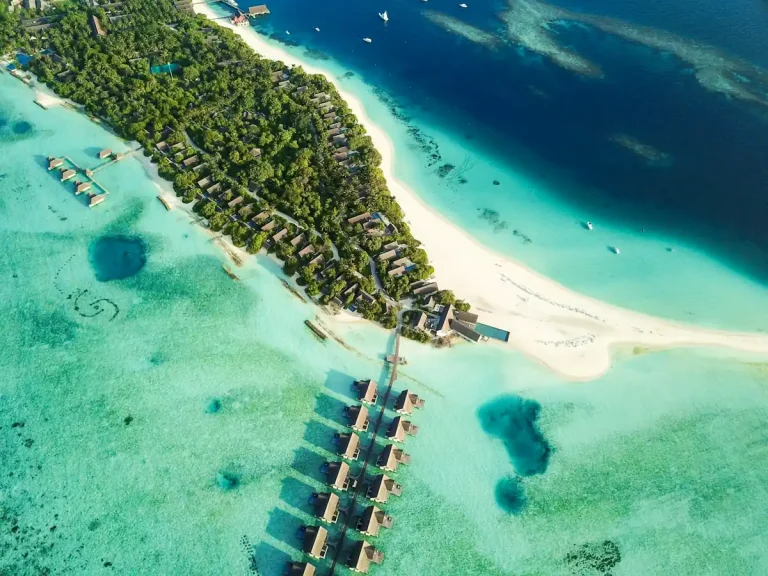
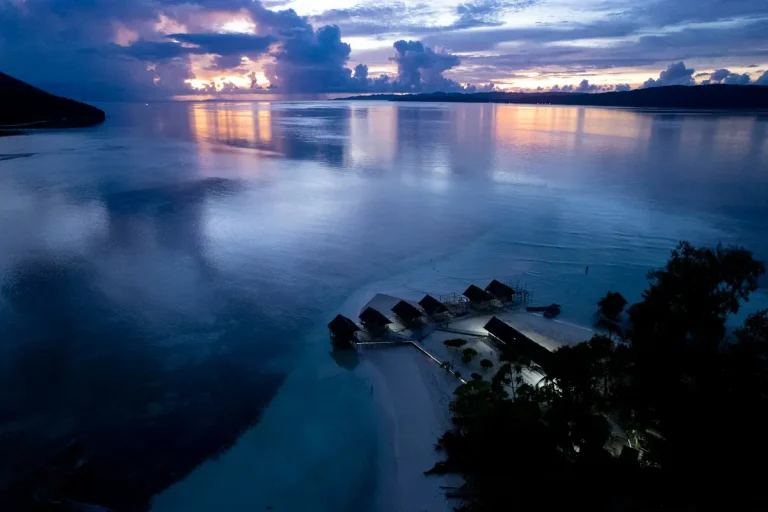
The accommodation mix is diversifying. The best derawan archipelago villa options on Maratua now range from simple wooden bungalows on stilts above the lagoon to higher‑end villas with air‑conditioning and solar‑backed power. On our private 3D2N for 2 guests, Maratua Paradise Resort’s Water Villa starts from USD 1,690 in total and Arasatu Resort’s Floating Villa from USD 2,090.
Searches for “derawan archipelago resort near me” from Bali‑based travellers are guiding how properties present themselves online, with clearer mapping, transfer information and bundled packages from Denpasar. Planners expect that by 2027, more resorts will integrate flight schedules to Kalimarau Airport (BEJ) into live booking engines and derawan archipelago dynamic packaging tools to reduce connection anxiety.
Alongside villa stays, some visitors will opt for small‑group yachts and phinisi boats, trends covered in depth in Derawan 2027 Liveaboard And Yacht Charter Trends. This mix of fixed‑base resorts and moving liveaboards is central to spreading visitor nights across 31 islands without overburdening Derawan Village itself.
What practical low‑impact tips and health basics apply from 2027 onward?
Responsible visitors play a direct role in keeping Derawan viable as a future Derawan Archipelago UNESCO tentative site. Core derawan archipelago low impact travel tips include packing reef‑safe sunscreen, bringing a refillable bottle, joining organised reef‑clean dives, and favouring non‑motorised trips by kayak or foot for short distances inside lagoons.
Public piped water may be brackish, and the derawan archipelago water quality for drinking is generally not considered potable without treatment. Most resorts provide filtered or gallon water; travellers are encouraged to refill rather than buy many single‑use bottles. Power and waste systems are still developing, so conserving electricity and avoiding disposable plastics has outsized impact.
Health‑wise, standard derawan archipelago recommended vaccinations usually mirror broader Indonesian travel advice: being up to date on routine vaccines, plus hepatitis A and typhoid for food and water exposure, with some travellers also considering hepatitis B or rabies depending on activities. Individual needs vary, so consultation with a travel clinic 4–8 weeks before arrival is advised.
- The best season for clearer seas is typically April–November; derawan archipelago weather in March can be mixed, with showers but diveable conditions most days.
- Fly (booked by you) to Kalimarau Airport (BEJ) in Berau; allow about 2.5 to 3 hours by road to Tanjung Batu and about 40 minutes by boat onward.
- Derawan archipelago low season months (December–March) may bring choppier seas and more flexible planning.
- Derawan archipelago kayak rental often runs by the hour or half‑day; rates vary by operator and may rise with 2027 demand.
- Families should prioritise derawan archipelago best snorkel spots for kids with buoy lines, guide supervision and gentle currents.
- The best derawan archipelago villa options usually sell out months ahead in August–October, especially for overwater units.
- Investors monitoring the 2027 quality shift can review regulatory and project updates via Derawan Archipelago Investment Opportunities.
Frequently asked questions
how much does Derawan Archipelago 2027 Quality Tourism Shift cost in Bali?
There is no single fixed “shift” fee, but Bali‑based travellers should budget for slightly higher overall trip costs as conservation levies and fair wages are built into prices. From Bali, you fly (booked by you) to Kalimarau Airport (BEJ) in Berau; our trips start from USD 1,290 in total for 2 guests (private 3D2N) or USD 280 per person (4D3N open trip).
is Derawan Archipelago 2027 Quality Tourism Shift worth it in Bali?
For Bali residents or repeat visitors seeking healthier reefs and quieter islands, the 2027 shift is generally worthwhile. Paying a bit more funds turtle protection, waste systems and stable local jobs. The trade‑off is fewer discount flash sales but better guide quality, clearer rules and a higher chance of enjoying intact marine life.
what is included in Derawan Archipelago 2027 Quality Tourism Shift?
The shift is a policy direction rather than a single package, so inclusions vary by operator. Many 2027‑oriented trips will bake in conservation fees, trained local guides, small‑group caps, and sometimes non‑motorised activities like kayaking. Packages may also coordinate flights, speedboats and environmental briefings into one seamless, lower‑impact itinerary.
How will Derawan’s 2027 policies affect nightlife and bars?
Derawan archipelago nightlife and bars are expected to remain small‑scale, with earlier quiet hours and stronger controls on noise and lighting, especially near turtle nesting beaches. Visitors can still enjoy relaxed beach bars and music, but party‑style venues and bright shoreline lighting will likely face tighter limits to protect nocturnal wildlife.
Are there special rules for turtle watching and lighting from 2027?
Yes. Turtle watching is increasingly guided, with caps on group sizes and strict use of a derawan archipelago red light torch for turtles. White lights, flash photography and approaching nesting females too closely are being actively discouraged or banned. These rules help keep Derawan viable as a long‑term turtle sanctuary and responsible tourism destination.
To plan a 2027‑ready trip, contact the Indonesia Juara team via WhatsApp 628119941919 or email sales@indonesiajuara.asia.
Last updated 1 August 2026