10 – 20 min
Emergence
She hauls out of the surf and crawls above the high-tide line.

Activities · Green turtles
Females come ashore after dark on Sangalaki and Derawan Island in every month of the year. The best season for the crossings is April to November, though trips run in every month.
When to go
Each female nests several times in one season, then skips two to four years, but the population is large and out of step, so some female comes ashore on almost any night. The limit is the crossing: April to November is the best season, and from roughly December to March, the wetter period, the open-water legs in the Sulawesi Sea can get rough.
Nesting happens after dark, typically between late evening and the small hours. Species: green sea turtle (Chelonia mydas), endangered on the IUCN Red List and protected under Indonesian law.
Best time to visitIn season Crossings weather-dependent Sea state · visibility
Where they nest
Sangalaki is the principal nesting beach. Derawan Island is the other, and the one you most likely sleep on. Maratua matters underwater rather than on the sand.
| Location | Role for green turtles | Access | What you realistically see |
|---|---|---|---|
| Sangalaki | Principal nesting beach; no village or resort | About 45 min by speedboat from Derawan | Turtles in the water by day; nesting tracks on the sand |
| Derawan Island | Nesting beach and main accommodation base | About 40 min by speedboat from Tanjung Batu | Turtles grazing under the jetties; nesting after dark |
| Maratua | Feeding and resting habitat on the atoll rim | Speedboat from Derawan on day 2 | Turtles on almost every dive, including Turtle Traffic |
| Kakaban | Surrounding reef, not a nesting focus | Under 30 min by speedboat from Sangalaki | Turtles on the outer reef; the lake holds jellyfish |
Close to nesting sand at night? Base yourself on Derawan Island. Turtles underwater in numbers? Choose a Maratua stay. From Kalimarau (BEJ) it is about 2.5 – 3 hours by road to Tanjung Batu.
A nesting night
Slow, quiet and largely predictable: one to two hours from leaving the water to returning. Guides move visitors in only once she is committed.
Hatchlings
A nest laid the night you watch hatches long after you fly home, but because nesting is continuous, nests laid weeks earlier hatch while you are there, at night or at first light.
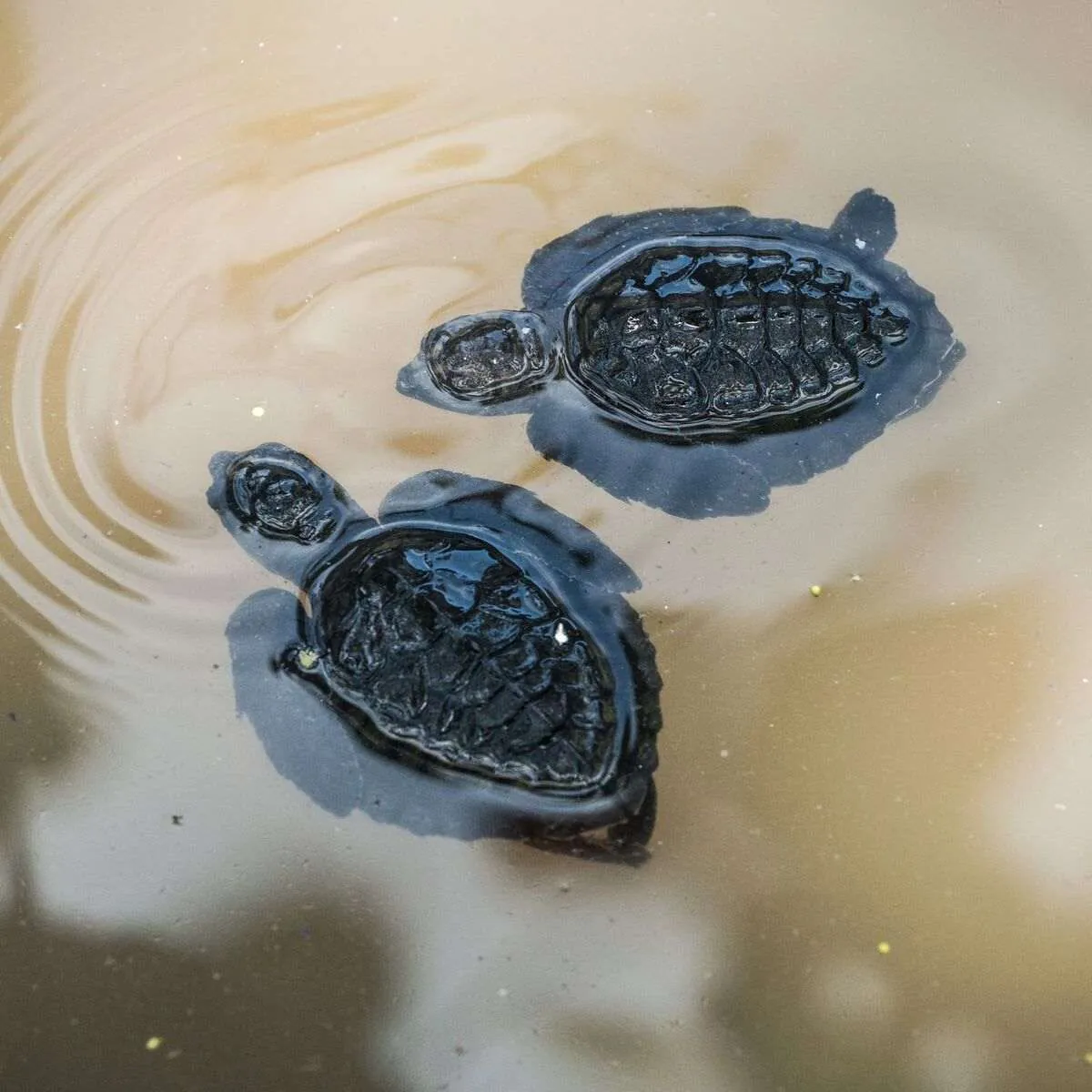
Hatchlings, about five centimetres long, surface together once the sand cools and run for the brightest horizon: on an undisturbed beach, the sea. Torches, phone screens and unshielded lights pull them inland.
Sand temperature sets their sex, with warmer nests producing more females (the pivot is around 29°C). The commonly cited estimate is that one hatchling in a thousand reaches breeding age.
In the water
Nesting is a night event and never guaranteed. In-water encounters are close to a daily certainty.
Where to meet them by day
Any snorkelling session normally puts you within a few metres of a turtle.
Turtles rest under overhangs and appear in numbers on the dive named after them.
The manta feeding grounds sit off the same island as the main nesting beach.
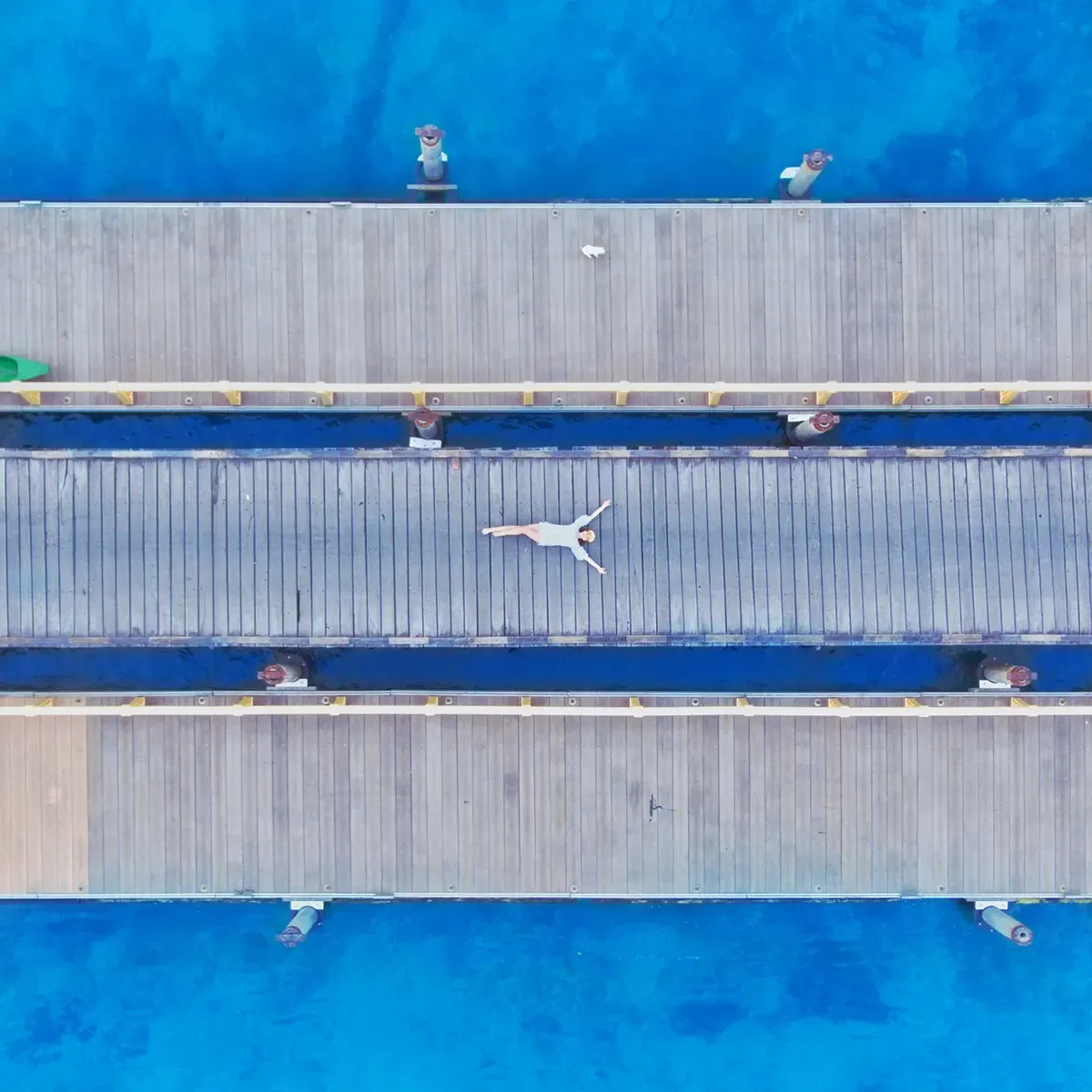
Adult green turtles graze seagrass and algae, which is why they feed under the Derawan jetties in water shallow enough to watch from the pier without getting wet.
Beach rules
Green turtles are protected in Indonesia. We do not run a hatchery; we keep encounters in the water by day and beach conduct tight at night.
Trip costs
The 3D2N is the shortest trip that works: day 2 covers Maratua, Kakaban and Sangalaki. The 4D3N adds Talisayan whale sharks, Manimbora and Labuan Cermin. Rates nett.
Private trips include the car BEJ ↔ Tanjung Batu, private speedboat, stay, meals, snorkel kit, documentation, travel insurance and entrance fees. Not included: flights, fins, tips, personal expenses.
Answers
Green turtles nest in the Derawan Archipelago all year. The best season is April to November, when crossings are calmest. December to March is the wetter period: trips still run, but a crossing can be lost to swell, even though the turtles still come ashore.
Keep exploring
Plan your turtle trip
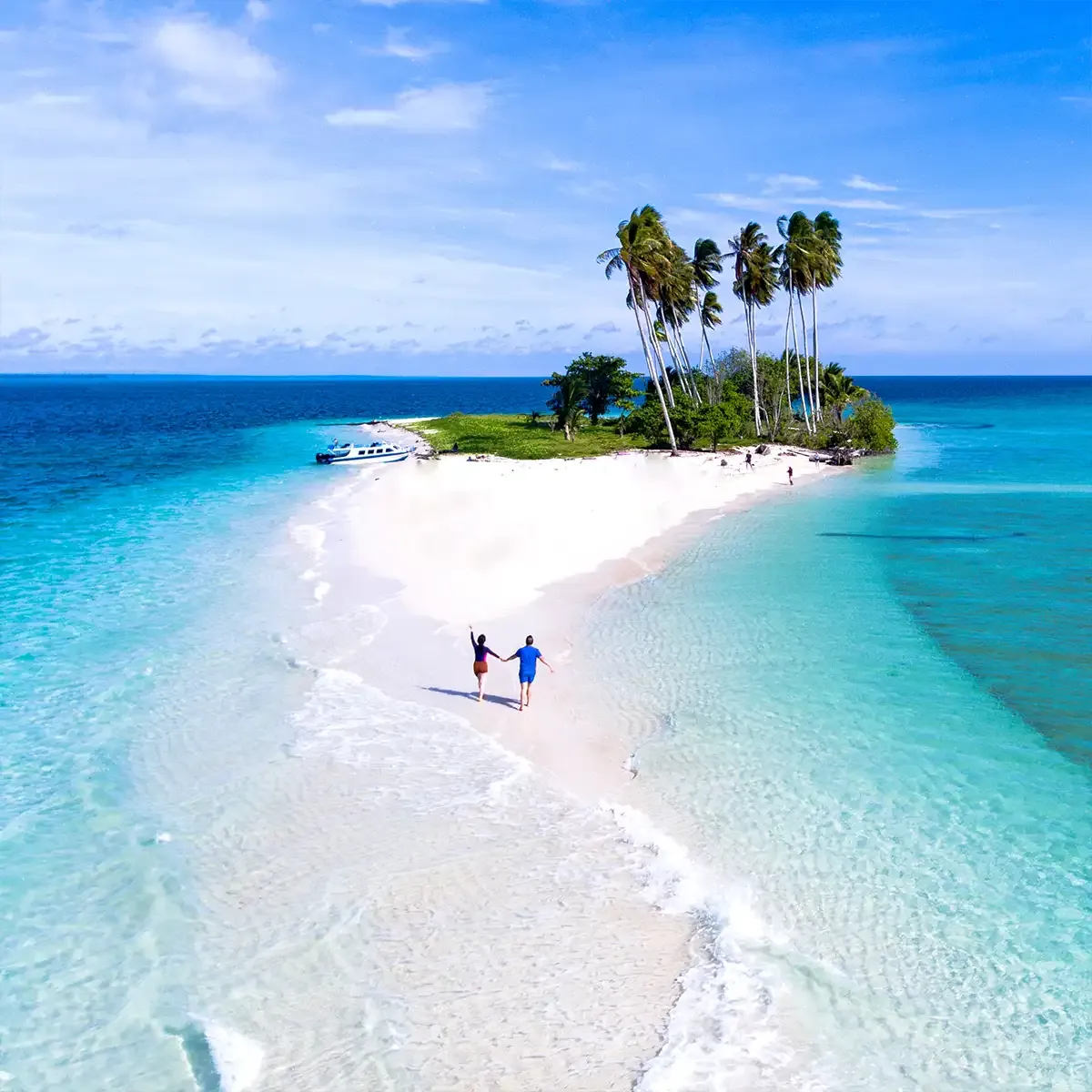
Send your dates and group size, and we tell you where the trip puts you among turtles: in the water by day and at the conservation site on Sangalaki.