Derawan’s Sustainable Tourism Agenda 2027

Updated: August 2026
Derawan Archipelago Sustainable Tourism Agenda 2027 centers on three hard targets: capping daily visitor entries to priority islands at around 1,500 people, collecting a standardized derawan archipelago marine park conservation fee from every guest, and enforcing new derawan archipelago coral protection guidelines backed by round‑the‑clock marine patrols and monitoring technology.
How will Derawan’s 2027 sustainability agenda actually change my trip?
By 2027, trips will feel more structured but also more rewarding. As a derawan islands marine biodiversity hotspot inside the Coral Triangle and the 1.27‑million‑hectare Berau Marine Protected Area (designated in 2005), Derawan is moving from “open access” to “managed access.” Expect advance registrations and tighter quota systems, especially for Sangalaki, Kakaban and Maratua.
The biggest visible shift will be capacity limits and time‑slotting. Local authorities have signalled that daily visitor caps around lagoons, manta cleaning stations and turtle nesting beaches will be combined with mandatory briefings on the derawan archipelago marine life interaction code. This means guided group sizes may be smaller, but time on site more carefully controlled, especially in the April–November best season.
On Derawan Island itself, traditional fishing communities are being integrated into marine tourism. Many derawan island traditional fishing trips are expected to switch partly to “tag‑and‑release” and eco‑demonstration formats, reducing pressure on reefs while still giving guests cultural access. For most visitors, the agenda will feel like a nudge toward more guided, pre‑booked experiences rather than a restriction on access.
What new fees and rules should I budget and plan for by 2027?
The derawan archipelago marine park conservation fee is expected to become a universal entry charge for all non‑resident visitors, replacing the patchwork of local levies. Entrance fees are included in our trips.
Beyond fees, visitors should anticipate strict implementation of the derawan archipelago coral protection guidelines. These will likely include mandatory buoy moorings for boats, bans on anchoring near reefs, and zero‑tolerance policies for standing on coral or collecting shells. Operators that rely heavily on snorkeling and diving are already preparing for more checks and logs at entry points.
Trip planners should review the official Derawan Marine Protected Area Visitor Rules 2027, which will harmonize village customs, conservation science and safety protocols into one rulebook. Aligning itineraries with these rules from the start will save time at checkpoints and minimize the risk of last‑minute changes once on the islands.
Will marine patrols and technology make the seas feel heavily policed?
Enforcement will be more visible, but the goal is protection rather than intimidation. The derawan archipelago marine patrol presence is being upgraded from sporadic checks to planned patrol routes, supported by local rangers, community groups and law enforcement. Patrol boats will focus on key turtle nesting zones, manta aggregation sites, and heavily used snorkeling areas.
A flagship element is the derawan archipelago marine radar project. Radar and AIS (vessel tracking) will help authorities detect unregistered or suspicious boats entering the Berau Marine Protected Area, especially at night. For legitimate tour operators, this is expected to reduce illegal fishing and unsafe, unlicensed transport, indirectly improving guest safety and underwater visibility.
For visitors on derawan archipelago dolphin watching trips or island‑hopping excursions, the practical impact will be routine checks of boat papers, lifejackets and guest manifests. Captains may need to report routes before departure and keep a set distance from wildlife, guided by the derawan archipelago marine life interaction code. The overall experience should feel more orderly, not militarized.
How will education, research and brand partnerships show up in normal tours?
Derawan is on track to become one of Indonesia’s most active “living labs” at island scale. The popularity of derawan archipelago university research trips is pushing operators to design routes that serve both science and leisure: for example, mixed groups where guests snorkel while researchers conduct fish counts or coral health surveys nearby.
This academic presence feeds into derawan archipelago marine biology workshops for visitors. By 2027, family‑friendly half‑day sessions on turtle life cycles, plankton, and reef ecology are expected to be common on Derawan and Maratua, often timed around early‑evening high tides or turtle nesting windows. This educational programming helps justify conservation fees and deepens guest understanding of the archipelago’s uniqueness.
On the commercial side, derawan archipelago sustainable brand partnerships will likely shape everything from refillable water stations to reef‑safe sunscreen initiatives and beach‑cleanup gear. Collaboration with outdoor brands, hospitality groups and eco‑tech providers will be used to co‑fund infrastructure like mooring buoys, waste sorting points and solar lighting, especially in villages with growing tourism flows.
What does the 2027 agenda mean for families, shoppers and the Chinese tourist market?
Families can expect clearer guidance and more inclusive facilities. Many operators are already updating a practical derawan archipelago packing list for families, emphasizing rash guards over disposable sunscreen, closed‑heel reef shoes, lightweight rain layers for December–March, and dry bags to protect electronics on speedboat transfers. Child‑friendly lifejackets and simplified reef etiquette briefings are likely to become standard.
On land, derawan island souvenir shops are expected to transition away from shells, coral fragments and turtle‑derived items toward certified crafts, recycled materials and local food products. Regulations in the conservation agenda will likely phase out any trade that conflicts with marine protections. This may reduce some traditional souvenirs but opens room for higher‑value, story‑rich products.
The derawan archipelago chinese tourist market is forecast to grow in parallel with new access from Kalimantan’s capital area and the planned IKN (new national capital) developments. More Chinese‑language signage, guides, and payment systems will appear, framed within sustainability messaging. For all markets, sustainable practices will become a selling point rather than a niche add‑on.
How are views, influencers and “Instagram moments” being managed responsibly?
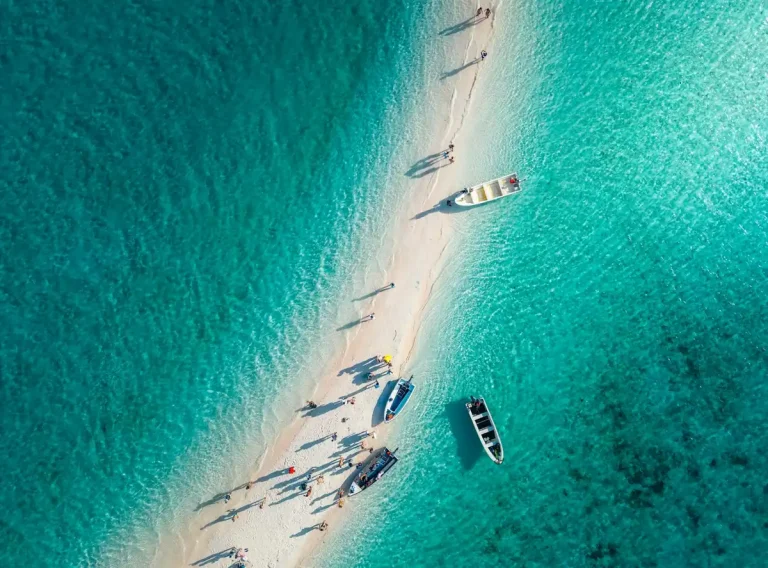
Derawan’s photogenic appeal is a double‑edged sword. Authorities are mapping derawan archipelago best viewpoints—on Derawan’s jetties, Kakaban’s rim, and Maratua’s sandbanks—and tagging some of them as “sensitive photo zones.” These areas may get boardwalks, marked photo spots and controlled access to prevent trampling of vegetation and dunes.
At the same time, tourism boards and island operators are exploring derawan archipelago influencer collaboration ideas that align with conservation priorities. Expect content guidelines that highlight reef‑safe behavior, respectful distance around turtles and dolphins, and the reality of marine patrols and conservation fees. Influencers may be asked to join beach clean‑ups or citizen‑science surveys in exchange for hosted trips.
For operators selling Derawan Archipelago Snorkeling Tours, this visual strategy dovetails with safety and conservation messaging: promoting clear, calm‑sea days (often April–November), appropriate snorkel depths over living coral, and time windows that avoid crowding. Done right, the “Instagram layer” of Derawan’s 2027 agenda becomes a tool for education, not just promotion.
- As of August 2026, access to Derawan typically involves a drive of about 2.5 to 3 hours from Berau’s Kalimarau Airport to Tanjung Batu, then a speedboat crossing of about 40 minutes to Derawan Island.
- The best season (April–November) offers 20–30 m underwater visibility, with December–March bringing heavier rain and occasional rougher seas.
- Turtle nesting protection inside the Berau Marine Protected Area has been in place since 2005, focusing heavily on green turtles and hawksbill turtles.
- Derawan Archipelago contains 31 islands, with Derawan and Maratua as the main inhabited hubs for accommodation and services.
- Average air temperatures hover around 23–32 °C year‑round, with sea temperatures around 28 °C, making wetsuits optional for most casual snorkeling.
- Daily visitor caps and marine patrol checks will be most visible at manta, dolphin and jellyfish lake sites by the 2027 high season.
- Long‑stay visitors should monitor Derawan 2027 Visa And Entry Rules For Long Stays for emerging residency and remote‑working options.
Frequently asked questions
how much does Derawan Archipelago Sustainable Tourism Agenda 2027 cost in Bali?
There is no single “agenda fee” in Bali; instead, costs affect Derawan trips that visitors often compare with Bali holidays. On our trips, entrance fees are included, and prices start from USD 1,290 in total for 2 guests (private 3D2N) or USD 280 per person (4D3N open trip).
is Derawan Archipelago Sustainable Tourism Agenda 2027 worth it in Bali?
For travelers already familiar with Bali, the 2027 agenda makes Derawan a strong complement, not a substitute. The extra structure—rules, patrols, and conservation fees—helps protect a derawan islands marine biodiversity hotspot that still feels much quieter than major Balinese resort zones, especially for snorkelers, divers and marine‑focused family trips.
what is included in Derawan Archipelago Sustainable Tourism Agenda 2027?
The agenda combines conservation and visitor‑experience measures: a unified marine park conservation fee, derawan archipelago coral protection guidelines, a formal marine life interaction code, stronger marine patrol presence, data‑driven tools like the marine radar project, and expanded education via university research trips and marine biology workshops in local communities.
How will the 2027 agenda affect spontaneous island-hopping and dolphin watching?
Island-hopping and derawan archipelago dolphin watching trips will still run, but more bookings will need to be made in advance to fit daily quotas and time slots. Boat operators will follow stricter distance and speed rules near wildlife, and may need to register routes with patrols. Travelers should plan one or two buffer days in case of weather or capacity changes.
Will the new rules limit traditional fishing and cultural experiences?
Traditional fishing is being reshaped, not eliminated. Many derawan island traditional fishing trips are expected to pivot to demonstration, catch‑and‑release or mixed fishing‑and‑storytelling formats. Night fishing around sensitive reefs may face tighter limits, but village visits, seafood dinners and cultural events will remain central, framed more clearly within conservation objectives.
To align future itineraries with Derawan’s 2027 sustainable tourism agenda or discuss our Derawan trips, contact the Indonesia Juara team via WhatsApp 628119941919 or email sales@indonesiajuara.asia.
Last updated 1 August 2026