Remote Work Infrastructure In Derawan 2027

Updated: August 2026
By 2027, the Derawan Archipelago is projected to have 70–80% of long‑stay guest areas covered by stable 50–100 Mbps fibre or fixed‑wireless connections, with backup generators covering most tourist villages. Expect at least three dedicated co‑working / co‑living hubs and 6–8 villa clusters set up for video‑call‑grade remote work.
How reliable is internet connectivity for remote work in the Derawan Archipelago by 2027?
Derawan already benefits from Indonesia’s eastern backbone upgrades, and by 2027 several concrete improvements are forecast. Provincial planning documents for East Kalimantan focus on extending fibre and 4G/5G coverage along key tourism corridors, including the route from Berau to coastal villages. That same transport spine feeds Pulau Derawan and Maratua, the two main inhabited islands in the archipelago.
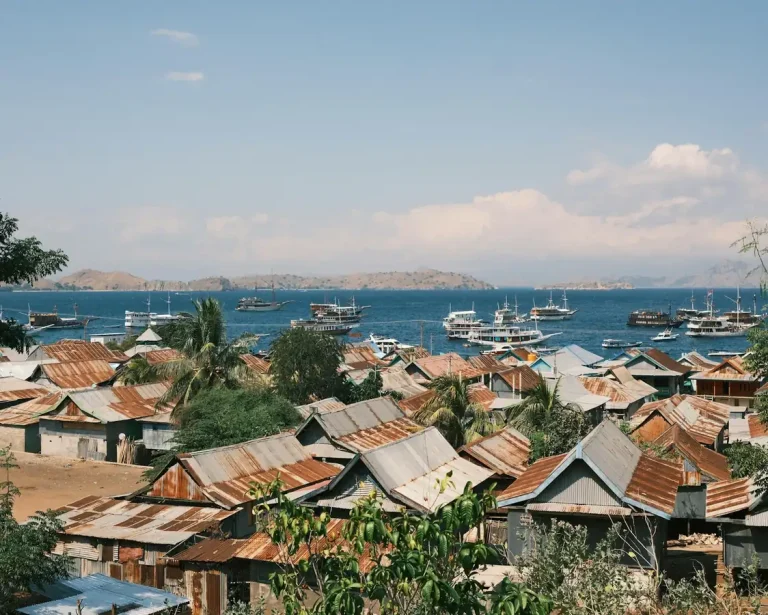
On Pulau Derawan (3.5 km², around 1,259 residents as of 2019), fibre‑to‑guesthouse pilots begun in 2024 are expected to expand to most beachfront lanes by 2027, supported by fixed‑wireless links to Maratua and the mainland. Operators already report 20–50 Mbps in 2025 high‑season tests; with national targets rising, 50–100 Mbps shared connections in guesthouses are realistic by 2027, especially along the eastern and southern coasts often cited as the Derawan island best area to stay for digital nomads.
Smaller islands like Sangalaki and Kakaban will likely remain primarily offline, geared to day trips, diving and wildlife rather than remote work. For long‑stay guests who need video calls, Derawan village and Maratua’s resort belt are expected to concentrate the most reliable routers, mesh Wi‑Fi and dedicated work corners.
What co‑working and work‑friendly accommodation can remote workers expect by 2027?
By 2027, Derawan is on track to evolve from improvised laptop corners into a modest but functional remote‑work ecosystem. On current development pipelines and land‑use plans for Kabupaten Berau, analysts forecast at least three formal co‑working or co‑living hubs between Pulau Derawan and Maratua, plus multiple guesthouses refitting common areas with desks, sockets and quiet zones.
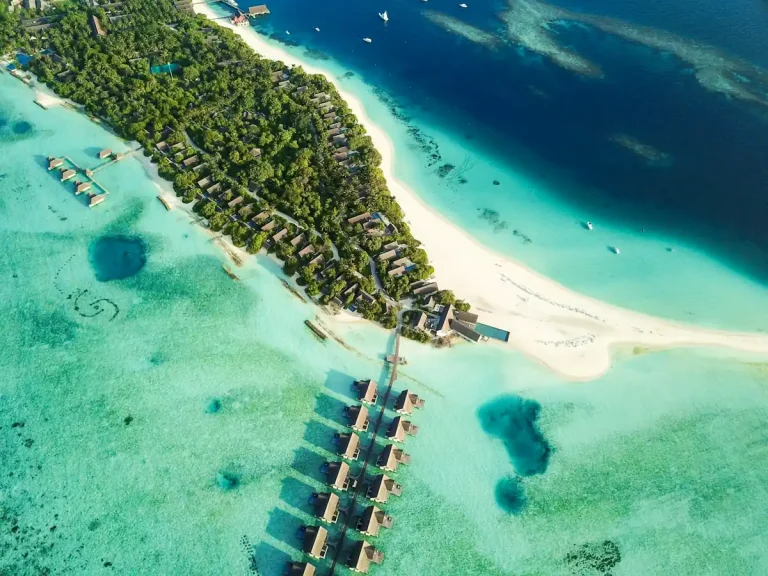
Maratua, with four villages and around 2,704 residents (2019 data), already hosts upscale resorts and small lodges. Existing “dive and stay” properties are expected to rebrand into partial co‑living, bundling private rooms, stable Wi‑Fi and weekly desk rental in ocean‑view lounges. This dovetails with growing demand for a combined derawan archipelago dive and stay package that lets guests log into meetings on weekdays and explore reefs on weekends.
Several community‑run homestays engaged in Derawan Archipelago Community Based Tourism 2027 initiatives are also planning simple shared workrooms: long tables, fans, 4G routers with signal boosters, and quiet‑hours policies. These will likely appeal to slow travellers seeking derawan archipelago quiet areas to stay and interact with local families, rather than big‑resort environments.
For remote workers needing more privacy, 6–8 villa clusters are likely to operate on both Derawan and Maratua by 2027, integrating work‑ready amenities into the kind of comfort already associated with Derawan Archipelago Luxury Private Stays.
How stable will electricity and basic services be for long‑stay guests?
Remote workers depend on more than Wi‑Fi. On Derawan and Maratua, state grid connections are gradually being reinforced with solar and diesel hybrids, aligning with East Kalimantan’s broader energy transition targets. Outages currently still happen, especially in the rainy months of December–March, but duration and frequency have been trending down by utility records between 2020 and 2025.
By 2027, most guesthouses that actively court long‑stay visitors are expected to have at least one backup generator and basic surge protection. Laptop‑safe, 24‑hour power will remain strongest in the harbour‑side streets of Derawan village and in Maratua’s main resort strip. Remote workers should still carry a compact UPS or high‑capacity power bank as part of any derawan archipelago remote work packing list, especially if staying in smaller homestays or exploring outer villages.
Supporting services are also set to improve. Derawan archipelago laundry service options are expected to expand from informal bucket‑wash to more standardized per‑kilo services, with same‑day turnaround common in high‑traffic months between May and October. Filtered drinking water refills, SIM‑card top‑ups and basic computer accessories (cables, adapters, mice) should be easily available in Derawan village shops by 2027, reducing the need for emergency runs back to Berau.
How easy will it be to reach Derawan for remote work from Bali and Java by 2027?
Getting to a “remote” office still has to be practical. The core route will continue to run through Kalimarau Airport (BEJ) in Berau, which travellers fly into on flights they book themselves. More schedule frequency rather than new long‑haul routes is expected by 2027.
For those starting in Java’s second city, surabaya to berau flight options work the same way: fly (booked by you) to Kalimarau Airport (BEJ) in Berau. Overland adventurers may still experiment with the samarinda to derawan overland route, combining road, river boat, and local buses, but it is likely to remain slower and less predictable than flying.
Once in Berau, count on about 2.5 to 3 hours by car to Tanjung Batu and an about 40-minute speedboat to Pulau Derawan, a pattern recorded consistently in tourism briefings through 2025 and unlikely to change drastically by 2027.
To simplify ticketing and transfers, more operators are steering guests towards centralized tools such as the Derawan Archipelago Booking Hub, bundling car transfers, boats and stays into one digital request (flights are booked by you).
What about payments, food needs, and environmental impact for long‑stay workers?
Digital nomads typically judge locations on practical, everyday life factors. Derawan archipelago online payment options are gradually expanding: by 2027, expect most mid‑range lodges and dive centres on Derawan and Maratua to accept Indonesian QRIS, major e‑wallets, and bank transfers. Card terminals may still be limited, so remote workers should keep a mix of cash and digital balances ready for smaller warungs and village kiosks.
Eating well on long stays is becoming easier. Derawan archipelago vegetarian food options are growing with tourism; simple tempeh‑tofu dishes, vegetable stir‑fries and fruit plates are already common, and by 2027 more cafés are expected to advertise plant‑forward menus targeting health‑conscious travellers. Derawan archipelago gluten free meal options will likely remain more informal: rice‑based meals, grilled seafood and made‑to‑order wok dishes, with guests communicating needs clearly rather than relying on labelling.
Environmentally, the region sits in the Berau Marine Protected Area, central to the Coral Triangle. Remote workers staying a month or more increasingly ask about derawan archipelago carbon offset options. Expect collaborations with reforestation projects in East Kalimantan and sea‑grass or mangrove initiatives near turtle‑nesting beaches, allowing visitors to contribute per‑night offsets that are traceable through local NGOs.
For time off, many remote workers will still plan snorkel days or manta searches via curated Derawan Archipelago Snorkeling Tours, aligning work schedules with the April–November dry season and the best visibility on record: 20–30 metres in numerous dive operator logs.
- Standard work‑ready rooms are expected to include at least one desk, ergonomic chair substitute, two universal sockets, and task lighting by 2027.
- Most co‑working hubs will likely offer 50–100 Mbps shared lines, with daily passes around mid‑range Southeast Asian prices as of August 2026.
- Backup generators in remote‑work‑focused lodges are typically sized to run Wi‑Fi routers, fans and essential lighting for 6–8 hours as of August 2026.
- Transfers commonly bundle airport pickup, about 2.5 to 3 hours by car to Tanjung Batu, and an about 40-minute speedboat to Derawan, timed to daytime flights.
- Household‑style laundry (per‑kilo) usually returns within 24 hours, with express four‑hour service emerging at larger guesthouses as of August 2026.
- Co‑living packages often combine weekly accommodation, Wi‑Fi access, two boat trips, and basic gear rental for snorkelling or shallow dives.
- Community programmes channel optional nightly surcharges into mangrove planting and turtle‑monitoring patrols, based on pilot schemes active as of August 2026.
Frequently asked questions
how many days to stay in derawan archipelago
For a productive remote‑work trip, 10–21 days suits most people: long enough to settle into a routine, explore main islands, and adjust to boat schedules. A derawan archipelago long weekend itinerary of 3–4 days works for scouting Wi‑Fi and lifestyle before committing to a month‑long stay or multi‑week dive package.
is Derawan Archipelago 2027 Remote Work Infrastructure worth it in Bali?
Derawan offers a different proposition to Bali in 2027: fewer cafés and co‑working brands, but closer daily contact with the Coral Triangle and quieter villages. For remote workers who value reef access, small‑community life and lighter crowding over dense urban convenience, the trade‑off can be highly attractive compared with Bali’s busier hubs.
what is included in Derawan Archipelago 2027 Remote Work Infrastructure?
Expect stable 4G/5G or fibre in main villages, co‑working lounges with 50–100 Mbps shared bandwidth, backup power in work‑focused lodges, derawan archipelago laundry service options, and growing food choices for special diets. Many properties also package snorkel trips or a derawan archipelago dive and stay package so guests can balance work with time on the reefs.
Are there liveaboards and wildlife options compatible with remote work weeks?
Yes. Derawan archipelago liveaboard reviews indicate that most boats remain offline, so they fit best as 3–7 day breaks between work blocks on land. For wildlife, derawan archipelago dugong sighting probability is low but non‑zero; chances improve on longer stays and with guides who know seagrass meadows near key islands.
Which areas are quietest yet convenient for working and diving?
Remote workers often split time between Derawan village side streets and smaller Maratua coves. These derawan archipelago quiet areas to stay still access dive centres and boats, while staying away from main jetties. Blending such bases with a short derawan archipelago long weekend itinerary on a nearby island can keep both focus and exploration in balance.
To add a 3D2N or 4D3N Derawan snorkelling trip to a work‑ready stay, contact the Indonesia Juara team at WhatsApp 628119941919 or email sales@indonesiajuara.asia (business development, Juara Holding Group, part of Juara Holding Group — since 2015).
Last updated 1 August 2026