Derawan 2027 Diving Seasons And Conditions

Updated: August 2026
Derawan 2027 Diving Conditions And Seasonality are expected to stay highly consistent: 28 °C water year‑round, 23–32 °C air temperature, and typical dry‑season visibility of 20–30 m from April–November. Based on recent climate patterns, derawan archipelago crowd levels by month should peak in July–August and remain moderate even in rainy season.
How will Derawan 2027 seasons affect visibility, currents, and marine life?
Diveable conditions in the Derawan Archipelago are forecast to remain year‑round in 2027, with seasonality mainly affecting visibility and surface conditions rather than access. Historical climate data shows a dry season from April–November and a rainy season from December–March, with January–February usually the wettest months. In practice, this translates into predictable underwater patterns.
During April–November, divers typically experience 20–30 m visibility in the Sulawesi Sea, especially around Kakaban’s walls, Sangalaki cleaning stations, and the Maratua channels. Swell is usually lower and crossings between islands more comfortable. December–March brings more wind and rain squalls, but water temperature stays near 28 °C and many sites remain accessible, with slightly reduced visibility but more plankton and pelagic activity.
The turn of the season (around November–December) is historically a strong period for manta rays at Sangalaki, while July–September often sees the most reliable current‑driven action at Maratua’s channel sites. For 2027, operators are planning schedules that track these patterns closely, building climate smart itineraries that prioritize protected sites on windier days and plan the more exposed crossings in calmer windows.
What derawan archipelago crowd levels by month should divers expect in 2027?
Derawan’s remoteness in East Kalimantan keeps overall visitor numbers lower than in mainstream Indonesian destinations. Based on current booking trends into mid‑2026 and published Indonesian school holiday calendars, 2027 crowd levels are expected to follow a predictable curve rather than sudden spikes. This helps divers choose between quieter months and more social periods.
The calm, dry months of July–August are historically the busiest, as Indonesian and regional holiday periods converge. Expect fuller resorts and day boats, especially around Derawan Island and popular Maratua resorts. Shoulder months such as May–June and September–October should offer a balance of good conditions and more relaxed boat loads, attractive for photographers and extended stays.
Derawan archipelago rainy season conditions from December–March generally see fewer leisure travelers, but more long‑stay divers taking advantage of lower rates and flexible schedules; seas can be choppier but sites are rarely “closed” across the board. For price‑sensitive travelers planning 2027, the detailed Derawan Archipelago 2027 Price Forecast For Travelers is a useful reference to align budget with seasonal crowd patterns.
How do Derawan 2027 conditions compare with Bunaken and Wakatobi for visibility and experience?
Divers often weigh derawan vs bunaken for diving and derawan vs wakatobi visibility comparison as they plan a Coral Triangle trip. All three sit within the broader Sulawesi Sea region and benefit from Coral Triangle biodiversity, but they differ in access, crowding, and style of diving.
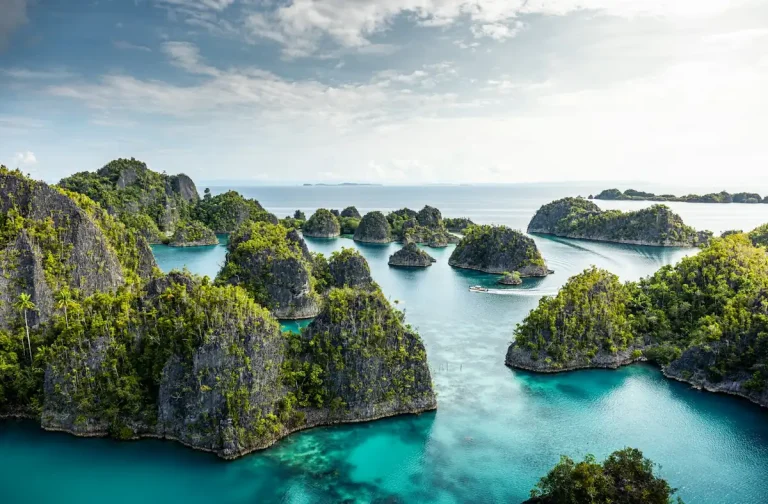
For 2027, Derawan is expected to maintain its reputation for varied marine life within a single region: turtles at Derawan, mantas at Sangalaki, non‑stinging jellyfish lakes at Kakaban, and current‑swept channels at Maratua. Visibility in the dry season (often 20–30 m) is competitive with Bunaken’s walls and many Wakatobi sites, though short rainy‑season squalls can temporarily reduce it.
Bunaken is easier to reach from Manado and thus often busier on day‑boat sites. Wakatobi, with its remote resort model, tends to deliver exceptionally consistent visibility but at a higher average trip cost. Derawan’s balance in 2027 is likely to be strong biodiversity and lower average diver density, particularly outside July–August, which appeals to divers prioritizing crowd levels over absolute maximum visibility statistics.
What types of diving will be practical in Derawan in 2027 (nitrox, technical, shore, night)?
Infrastructure in the Derawan Archipelago has grown steadily while still operating inside the Berau Marine Protected Area established in 2005. For 2027, derawan archipelago nitrox diving options are expected to be common at primary dive operators on Derawan and Maratua, especially those focusing on repeat and long‑stay guests. Availability can still vary by island, so pre‑trip confirmation is essential.
Derawan archipelago technical diving availability is increasing gradually, mostly in the form of support for twinsets, sidemount, and staged decompression with prior arrangement rather than full‑time technical centers on every island. Deep walls off Kakaban and Maratua attract experienced divers, but local currents and conservation rules mean technical dives should be planned conservatively with operators who know these sites well.
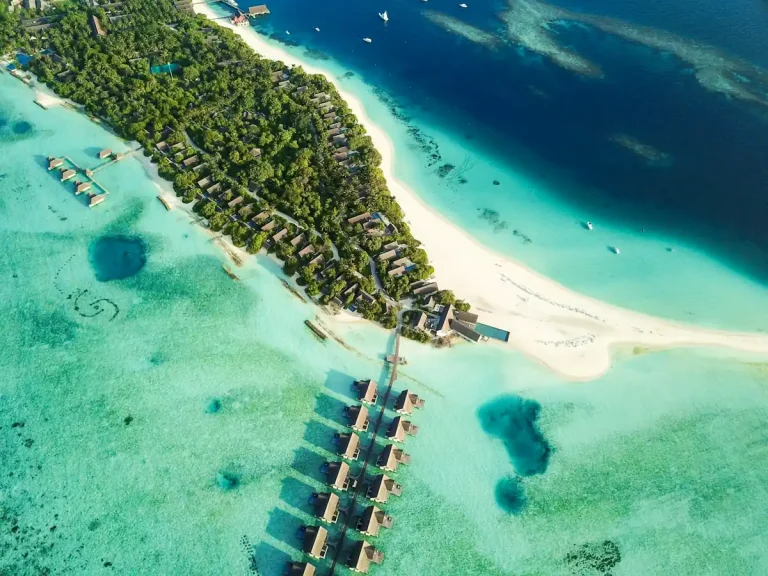
Derawan island night diving will remain a highlight in 2027, with house‑reef turtles, cuttlefish, and macro subjects such as crustaceans and cephalopods. Derawan archipelago shore diving options are generally concentrated around Derawan and some Maratua resorts offering easy entry from jetties or beaches, ideal for photographers or those extending bottom time outside regular boat schedules.
How can divers plan a climate smart itinerary and choose ethical operators in 2027?
Because Derawan sits within the high‑biodiversity Sulawesi Sea coral triangle diving derawan area and the Sulu‑Sulawesi Marine Ecoregion, operator choice has real conservation impact. A simple derawan archipelago ethical operator checklist for 2027 includes visible respect for turtle nesting beaches, adherence to manta and turtle approach guidelines, and avoidance of touching jellyfish in the Kakaban and Maratua lakes.
A derawan archipelago climate smart itinerary for 2027 should factor both weather and conservation seasons. Dry months support longer boat crossings, so combining multiple islands is efficient between April–November. The turn of the season (around November–December) is strong for mantas, while protecting nesting beaches may mean limited night access in certain periods as advised by local authorities.
For travelers wanting their spend to support local communities, the guide on Derawan Archipelago Community Based Tourism 2027 outlines homestay‑based and village‑linked operators. Comparing liveaboards, resorts, and homestays via a structured derawan archipelago operator comparison helps match expectations on boat size, group ratios, and environmental practices to 2027 climate realities.
What practical logistics, access routes, and special‑interest trips should divers consider?
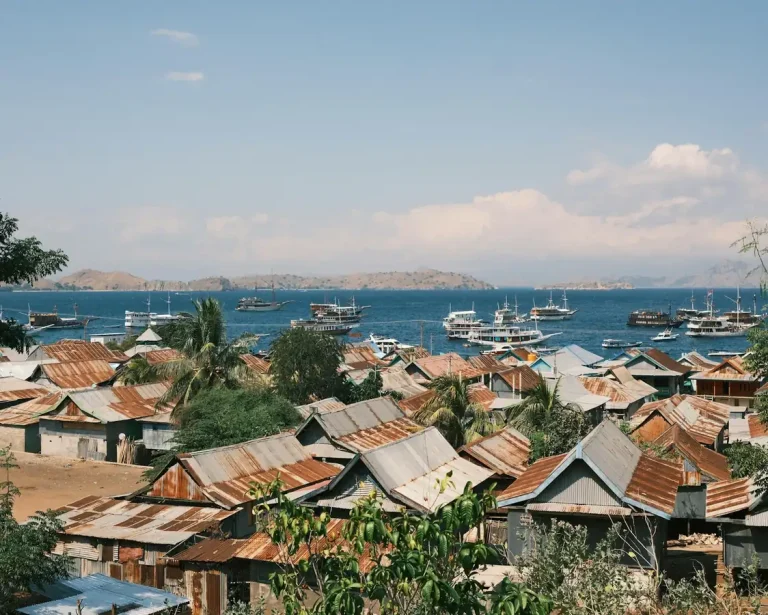
Reaching Derawan in 2027 will continue to rely on East Kalimantan gateways. A typical route involves flying (booked by you) to Kalimarau Airport (BEJ) in Berau, followed by an about 2.5 to 3-hour drive to Tanjung Batu and an about 40-minute speedboat to Derawan Island.
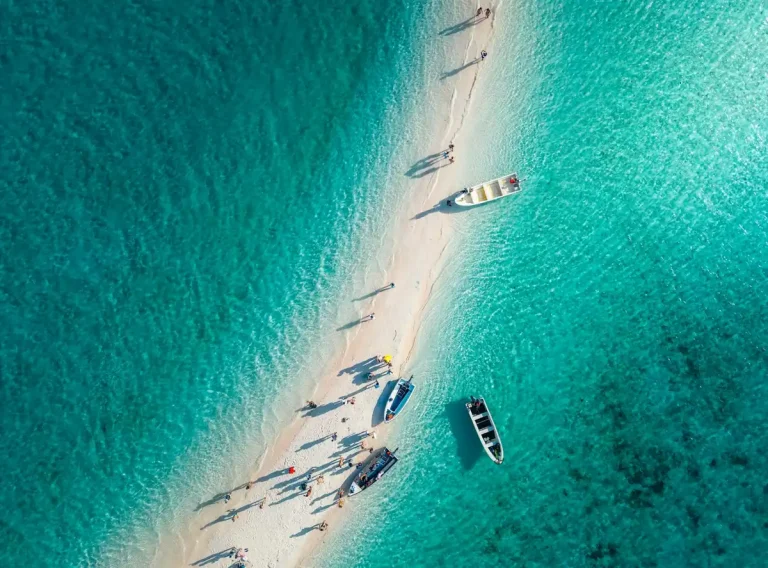
For flexible groups, chartering a boat between Derawan, Sangalaki, Kakaban, and Maratua can optimize dive timing across micro‑conditions and crowds. The Derawan Archipelago Boat Charter Service page gives background on charters; we do not sell standalone boat charters, but our private trips include a private speedboat.
There is growing interest in special‑interest trips: a derawan archipelago solo backpacker guide approach that combines homestays, community boats, and shore dives; photography‑focused weeks targeting turtles and mantas; and even carefully arranged derawan archipelago underwater marriage proposal dives, usually planned near calm house reefs or sheltered walls with predictable currents. These rely on close coordination with local operators to match dates to forecasted sea conditions.
- Typical Derawan water temperature: approximately 28 °C year‑round, with air temperatures around 23–32 °C.
- Dry season: broadly April–November, with 20–30 m visibility reported.
- Rainiest period: usually January–February, though diving normally continues with adjusted site choices.
- Access chain: flight (booked by you) to Berau (Kalimarau), about 2.5 to 3-hour drive to Tanjung Batu, about 40-minute speedboat to Derawan.
- Documents: passport valid 6+ months, proof of onward travel, dive insurance strongly recommended for 2027 trips.
- Recommended derawan archipelago packing list for divers: 3–5 mm wetsuit, reef‑safe sunscreen, SMB, torch for night dives, lightweight rain layer.
- Booking tools: centralized options are aggregated in the Derawan Archipelago Booking Hub for 2027 departures.
Frequently asked questions
how much does Derawan 2027 Diving Conditions And Seasonality cost in Bali?
Derawan is in East Kalimantan, so costs depend on flights from Bali plus local diving. Flights to Berau are booked by you, and dive packages vary by operator and length; our Derawan trips are snorkel-based, and scuba diving is not included. The separate Derawan Archipelago 2027 Price Forecast For Travelers breaks down projected ranges.
is Derawan 2027 Diving Conditions And Seasonality worth it in Bali?
For divers based in or transiting through Bali, a 2027 trip to Derawan is attractive if high biodiversity, turtles, mantas, and relatively low crowd levels matter more than direct flight convenience. Multi‑week Indonesian itineraries often pair Bali macro sites with Derawan’s Sulawesi Sea walls to sample two distinct Coral Triangle ecosystems.
what is included in Derawan 2027 Diving Conditions And Seasonality?
The phrase refers to understanding how Derawan’s 2027 climate, rainy season, and crowd patterns affect dive planning. Practically, that means aligning travel dates with expected visibility, current strength, pelagic seasons, and local events, then choosing operators, nitrox or technical support, and islands (Derawan, Sangalaki, Kakaban, Maratua) that match those conditions.
How does a derawan archipelago solo backpacker guide differ from a resort package in 2027?
A solo‑oriented approach uses public or community boats, homestays, and shore diving where available, reducing fixed costs but demanding more flexibility for weather and last‑minute changes. Resort or liveaboard packages usually bundle transfers, scheduled boat dives, and meals, offering more predictable access to distant sites but at a higher overall budget.
Can couples plan a derawan archipelago underwater marriage proposal around 2027 conditions?
Yes, but success depends on timing and site choice. Operators generally recommend relatively calm, high‑visibility months (often April–November) and sheltered sites such as house reefs or protected walls. Coordination with local guides in advance helps synchronize photography, privacy, and safety with seasonal current forecasts and potential rain showers.
To match your 2027 dates with the right Derawan islands, crowd levels, and dive style, share your target month and group size via WhatsApp 628119941919 or sales@indonesiajuara.asia (Indonesia Juara team Juara Holding Group).
Last updated 1 August 2026