Snorkeling Tours In The Derawan Archipelago

Snorkeling Tours In The Derawan Archipelago
Snorkeling Tours In The Derawan Archipelago — Derawan Archipelago, Berau, East Kalimantan

Updated: August 2026

Derawan Archipelago Snorkeling Tours focus on three signatures: derawan archipelago snorkeling with turtles at Derawan Island, manta encounters off Sangalaki, and the famous derawan archipelago kakaban jellyfish lake tour. Most guests join a 1–3 day derawan archipelago snorkeling package from Bali or Berau, with shared boat tours operating almost daily in the dry season.

What do Derawan Archipelago Snorkeling Tours actually include for non‑divers and families?

Derawan Archipelago Snorkeling Tours are built for guests who do not dive but still want Coral Triangle marine life. A typical day trip combines two reef sites plus time at a beach or village jetty, with depth rarely more than 3–8 metres. Families often choose the derawan jellyfish lake and manta combo, which links Kakaban’s lake with Sangalaki’s feeding station in one full day.

As part of the wider Berau Marine Protected Area established in 2005, operators are expected to respect turtle nesting beaches and manta zones. That means clear sangalaki manta snorkeling guidelines, briefings on where to wait in the water, and a focus on smaller groups. Tours usually include a guide, mask, snorkel, fins and basic derawan archipelago snorkel gear rental, but some guests bring prescription masks.

For travellers starting in Bali, our coordination with multi‑stop routes via Balikpapan and Berau helps link flights and boats into a single derawan archipelago snorkeling package rather than many separate bookings. Options range from simple homestay‑based excursions to private speedboat charters aimed at photographers or multi‑generation families.

How close can I snorkel with turtles, and how does Derawan compare with the Gili Islands?

The Derawan Archipelago is recognised as one of Southeast Asia’s largest green turtle nesting areas, with key beaches on Derawan and Sangalaki documented inside the 1.27 million‑hectare Berau Marine Protected Area. For snorkelers, that translates into frequent encounters: many guests see turtles within 5–10 minutes of entering the water at Derawan’s house reefs.

Comparing derawan vs gili islands for turtles, both regions offer reliable sightings. The difference is context. The Gili Islands near Bali have dense tourism and short boat rides from Lombok. The Derawan Archipelago sits in the Sulawesi Sea, requiring a flight to Kalimantan Timur and a 2–3 hour overland transfer to Tanjung Batu port before the speedboat crossing. Visitor numbers are lower, and the feel is more nature‑driven.

Turtle behaviour also differs. In Derawan, snorkelers often watch green turtles resting under jetty pylons or grazing seagrass around village edges, sometimes sharing the water with only a few other people. Conservation‑minded guests can extend their trip with programmes like the Derawan Turtle Conservation Tourism 2027 initiative to learn more about nesting beach protection.

What should I expect from the Kakaban Jellyfish Lake and Sangalaki manta experiences?

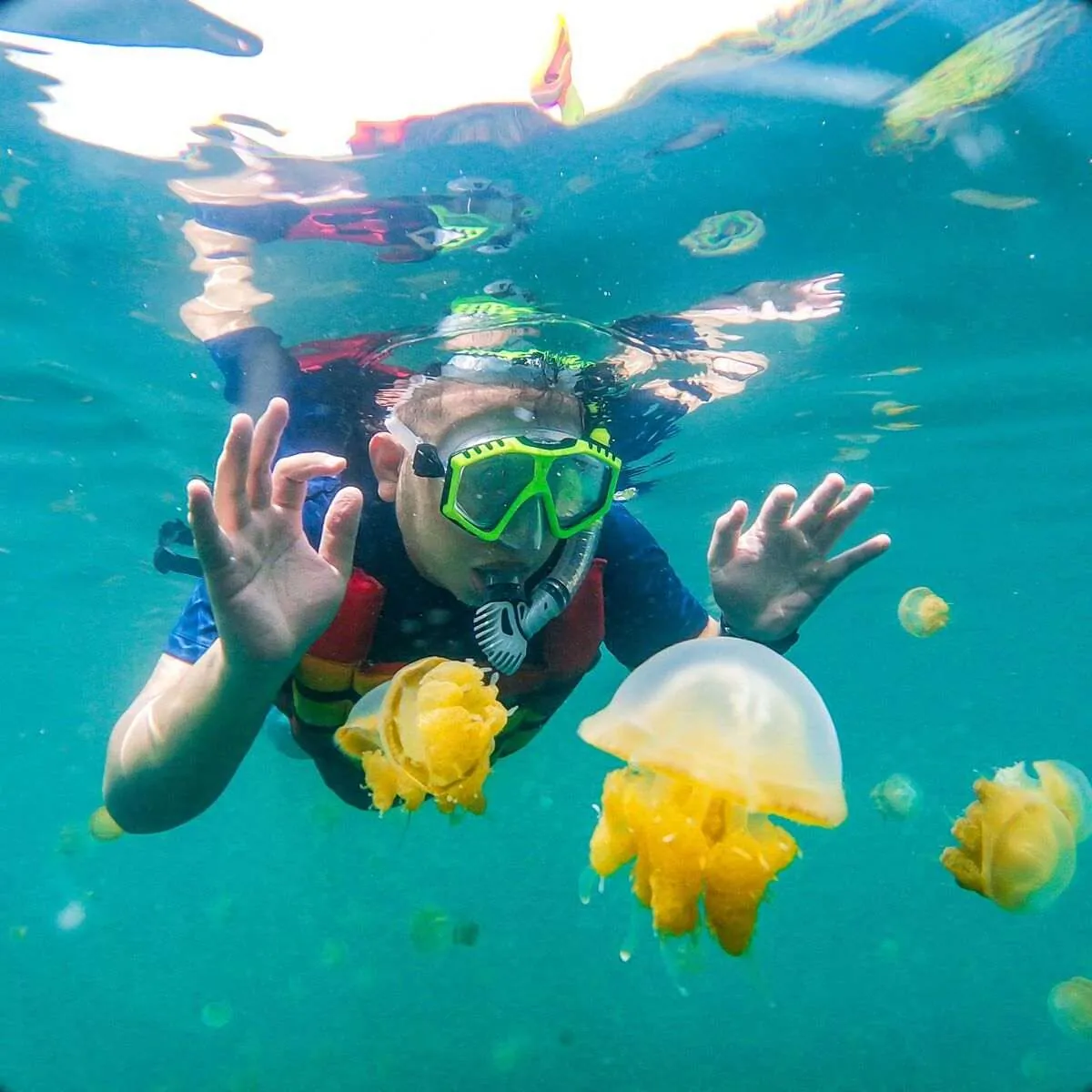
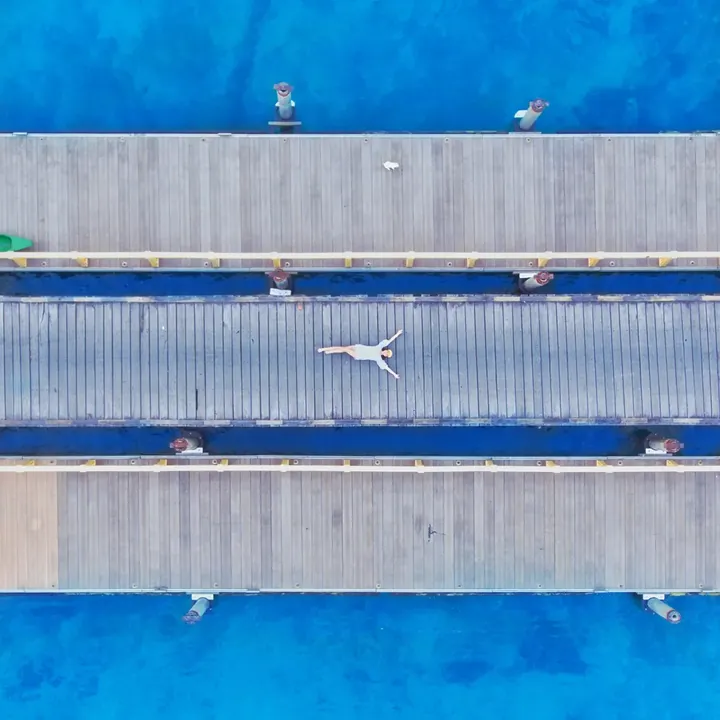
The derawan archipelago kakaban jellyfish lake tour is one of the region’s signature non‑diver activities. Kakaban’s inland marine lake, part of the wider Sulu‑Sulawesi Marine Ecoregion, is accessed via a short forest path and the wooden kakaban lake boardwalk experience leading to entry platforms. Here, snorkelers float among millions of non‑stinging jellyfish while guides explain derawan archipelago jellyfish lake ecology.

For safety, many families and less‑confident swimmers use kakaban lake life jacket rental services available at the entrance. Operators also brief visitors on kakaban lake opening hours, which typically follow daylight, with last entries set to allow safe return to the offshore boats before late afternoon weather changes. Exact hours can vary by season and local management decisions.

In a derawan jellyfish lake and manta combo day, boats continue onward to Sangalaki. Here, sangalaki manta snorkeling guidelines emphasise entering the water quietly up‑current, keeping low and at least several metres from manta rays. The best chance of larger groups often comes around the early rainy season (roughly November–December), matching regional dive operator observations of increased plankton.

How much do Derawan Archipelago Snorkeling Tours cost and what affects the price?

The derawan archipelago snorkeling cost depends on boat type, group size, and season. As of August 2026, shared day tours from Derawan Island commonly range from IDR 900,000–1,600,000 per person, typically including snorkel guide, derawan archipelago snorkel gear rental and park levies, but excluding flights and long‑distance transfers.

For guests focused on Kakaban, kakaban lake jellyfish tour price ranges (as of August 2026) usually sit between IDR 1,200,000–2,000,000 per person for a full‑day excursion that may also stop at outer reefs. A derawan archipelago private snorkeling tour using dedicated speedboats and flexible timing often starts around IDR 7,000,000–10,000,000 per boat per day, depending on distance and fuel.

Those planning extended vacations often bundle activities within a wider Derawan Archipelago Island Hopping Package, combining snorkeling, short treks and village visits. For Bali‑based travellers, the overall derawan archipelago snorkeling price from Bali is strongly influenced by airfare seasons between Bali, Balikpapan and Berau, which can fluctuate by more than 30% across public holidays and school breaks.

How do packages from Bali work for non‑divers, and can I join if my partner dives?

For guests already in Bali, connecting into Derawan is easiest via structured itineraries that handle flights, transfers and boats in one booking. Multi‑day Derawan Archipelago Packages From Bali typically route guests from Denpasar to Balikpapan, then onward to Berau and finally by car and speedboat into the islands, following the standard access pattern through East Kalimantan.

Non‑divers and divers often travel together in mixed groups. While divers join deeper sites or a derawan archipelago manta ray diving package at Sangalaki or Maratua, non‑divers use the same boats but remain at reef shallows under guide supervision. The warm 28 °C water and 23–32 °C air temperatures recorded across the year make it feasible to stay in the water for extended periods with only a rash guard.

Many couples choose this format to avoid splitting up for entire days. Snorkelers focus on turtles, shallow coral gardens and near‑surface manta sightings, while divers drop to deeper cleaning stations. Some operators discount shared logistics, reducing the total derawan archipelago snorkeling cost for mixed dive‑snorkel pairs who travel together on the same vessel.

What if I want a flexible private trip instead of a fixed group schedule?

Guests seeking more privacy, later starts, or specific photography goals frequently upgrade to a derawan archipelago private snorkeling tour. Here, the itinerary can be customised around Kakaban’s lake tidal comfort windows, manta sightings at Sangalaki, village market visits, or sunset returns. Flexible days are especially useful for families with younger children or older travellers.

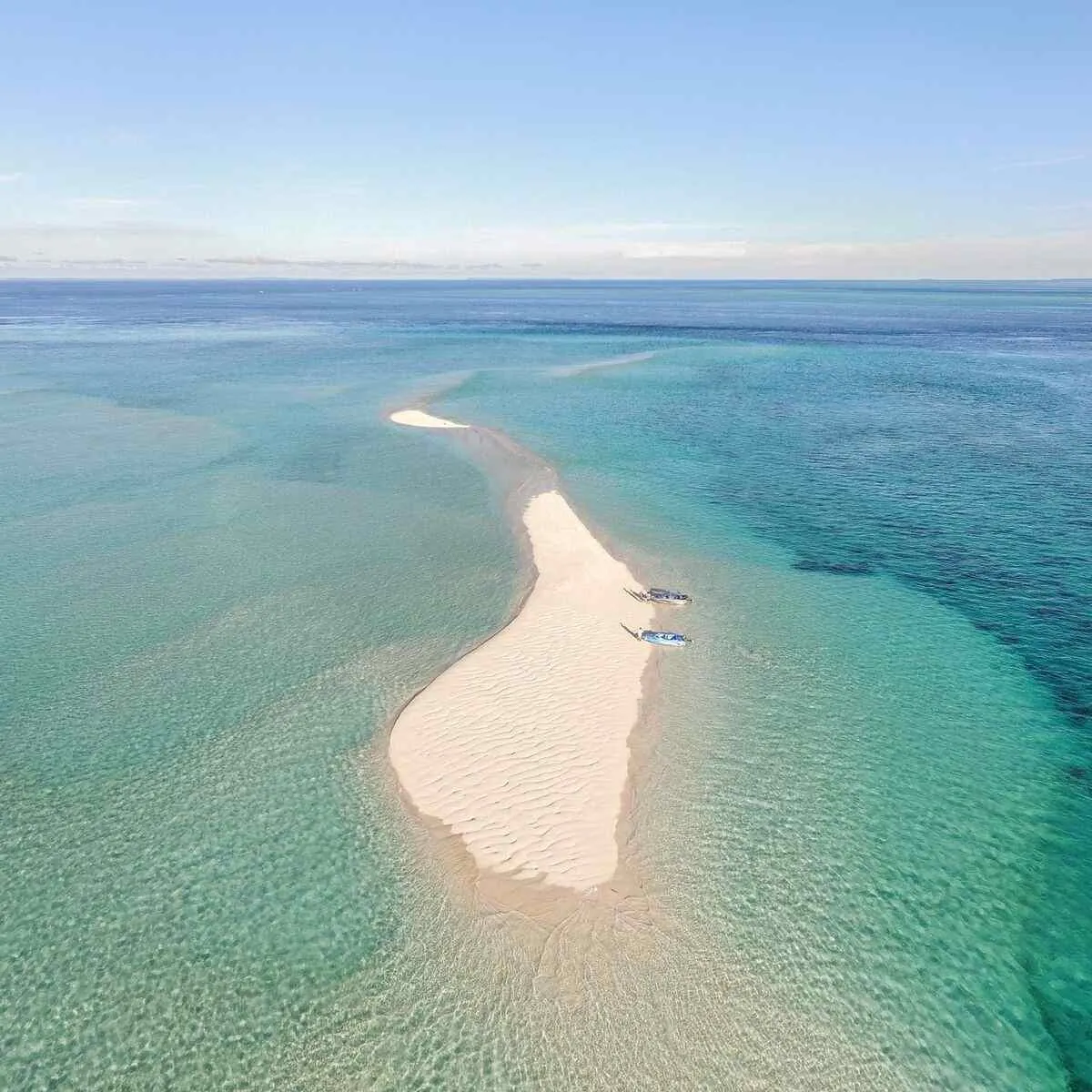
Private charters may also attach to a broader Derawan Archipelago Island Hopping Package, allowing combinations such as Maratua’s outer reefs, Samama’s sandbars or less‑visited mangrove channels. Some guests request extra time for the kakaban lake boardwalk experience, preferring slower walks, longer jellyfish sessions and a more detailed briefing on derawan archipelago jellyfish lake ecology and conservation measures.

Because the Derawan Archipelago consists of 31 islands scattered over roughly 10,979 km², travel times and fuel usage can be substantial. As a result, derawan archipelago snorkeling price for charters scales with distance: near‑Derawan reefs are more economical, while multi‑island loops that include Kakaban and Sangalaki sit at the higher end of the budget spectrum as of August 2026.

  • Typical day tour duration: 7–9 hours dock‑to‑dock, including 2–3 snorkeling sessions.
  • Standard visibility in dry season (May–October): around 20–30 metres in many reef areas.
  • Approximate transfer chain from Bali: 1 flight to Balikpapan, 1 flight to Berau, 2–3 hours by road, 30–45 minutes by speedboat.
  • Key islands visited on most tours: Derawan, Kakaban, Sangalaki, sometimes Maratua.
  • Typical group size on shared boats: 6–12 guests plus crew and licensed guide.
  • Snorkeling depth range: mainly 3–8 metres over coral slopes and seagrass beds.
  • Recommended minimum age for full‑day offshore trips: usually 6–8 years, depending on swimming ability.

Frequently asked questions

how much does Derawan Archipelago Snorkeling Tours cost in Bali?

As of August 2026, guests starting in Bali should budget IDR 6,000,000–11,000,000 per person for a 3–4 day derawan archipelago snorkeling package, excluding international flights. This estimate usually covers domestic flights, transfers, basic island accommodation and 1–2 guided snorkel days, but final pricing depends on travel dates and comfort level.

is Derawan Archipelago Snorkeling Tours worth it in Bali?

For travellers already in Bali who value turtles, mantas and the rare jellyfish lake experience, adding Derawan is often considered worthwhile. The archipelago lies in the Coral Triangle with high biodiversity, and the derawan jellyfish lake and manta combo offers encounters that Bali itself cannot replicate, despite the extra travel time to East Kalimantan.

what is included in Derawan Archipelago Snorkeling Tours?

Most tours include local boat transport, an experienced snorkel guide, derawan archipelago snorkel gear rental, drinking water and simple snacks. Many packages also add park or conservation fees for Kakaban and Sangalaki. From Bali, bundled itineraries may include domestic flights, airport‑harbour transfers and accommodation as part of a wider island‑hopping arrangement.

What are the kakaban lake opening hours and safety options for non‑swimmers?

Kakaban lake opening hours generally follow daylight, with morning to mid‑afternoon access so boats can return before evening winds. Exact times can change with local management decisions. Non‑swimmers commonly use kakaban lake life jacket rental on site, and guides supervise entry and exit via the boardwalk platforms for extra reassurance.

Can I combine Derawan snorkeling with other Indonesian islands in one trip?

Yes. Many travellers pair Derawan with Bali or other Indonesian hubs in one itinerary. For example, some guests split time between Bali’s beaches and a Derawan Archipelago manta ray diving package or family‑friendly snorkeling days. Coordinated routes help manage connections so the overall derawan archipelago snorkeling cost stays predictable across multiple islands.

To customise a Derawan Archipelago Snorkeling Tour or book a Derawan Archipelago Island Hopping Package, contact the Indonesia Juara team via WhatsApp 628119941919 or email sales@indonesiajuara.asia for current schedules and pricing.

Last updated 1 August 2026