Updated: August 2026
Eco-friendly travel to Derawan Island involves sustainable practices such as using eco-friendly transport, supporting local businesses, reducing waste, and respecting the local environment and culture.
Eco-Friendly Travel Derawan
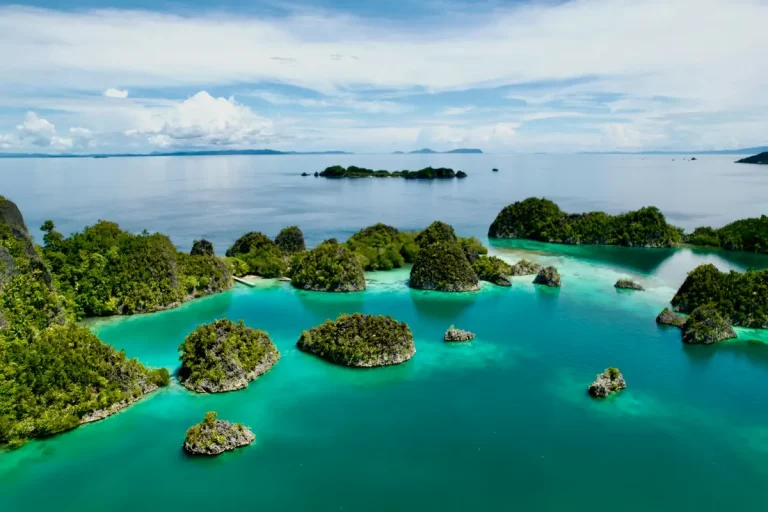
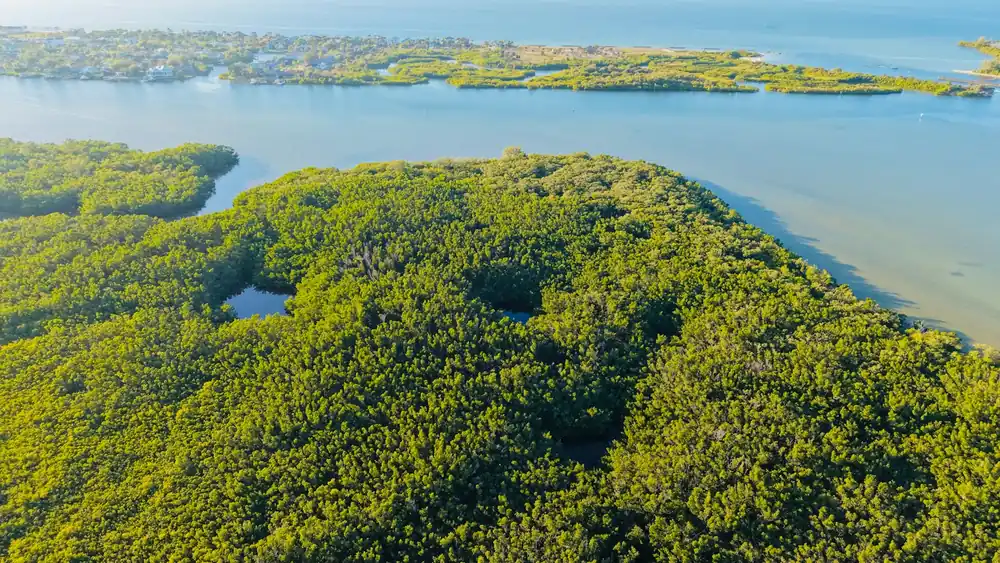
Travelling to Derawan Island with an eco-friendly mindset is essential for preserving the island’s natural beauty and biodiversity. Derawan, part of the Derawan Archipelago in Indonesia, is renowned for its vibrant marine life and pristine beaches. The island, located in East Kalimantan, is home to a variety of unique ecosystems, including coral reefs, mangrove forests, and seagrass beds. By adopting sustainable habits, you can ensure your visit contributes positively to the environment and supports the local communities that rely on the island’s natural resources.
Sustainable Tips Derawan
To make your trip to Derawan Island more sustainable, consider these practical tips:
- Choose Eco-Friendly Accommodation: Opt for lodgings that implement sustainable practices. Look for accommodations that utilise renewable energy sources such as solar panels, have water-saving fixtures like low-flow toilets and showers, and implement effective waste management systems that include recycling and composting. Some eco-resorts also offer educational programmes about local conservation efforts.
- Travel Light: Pack only what you need. This reduces your carbon footprint and makes transportation more efficient. Consider using a backpack instead of a suitcase for easier mobility and less weight. Pack reusable items like water bottles, shopping bags, and utensils to minimise single-use plastics.
- Use Reef-Safe Sunscreen: Protect marine life by using sunscreens that do not contain harmful chemicals such as oxybenzone and octinoxate, which are known to cause coral bleaching. Look for mineral-based sunscreens containing zinc oxide or titanium dioxide that are less harmful to the marine environment.
- Support Local Businesses: Eat at local restaurants, buy locally-made souvenirs, and hire local guides. This boosts the local economy and reduces the carbon footprint associated with imported goods. Try traditional dishes to experience the local culture and purchase handicrafts made by local artisans.
- Respect Wildlife: Observe animals from a distance and never feed them. This helps maintain natural behaviours and ecological balance. When snorkelling or diving, avoid touching marine life and refrain from collecting shells or other natural souvenirs.
Green Travel Derawan: Transport Options
Getting to Derawan Island sustainably can be achieved by choosing the right transport options. You fly (booked by you) to Kalimarau Airport (BEJ) in Berau, East Kalimantan, followed by about 2.5 to 3 hours by road to Tanjung Batu, the primary port for boats to Derawan, and then about 40 minutes by speedboat. Once on the island, explore by foot or bicycle, or use environmentally friendly local transport such as electric scooters or public boats operated by locals.
Protecting Derawan’s Marine Life
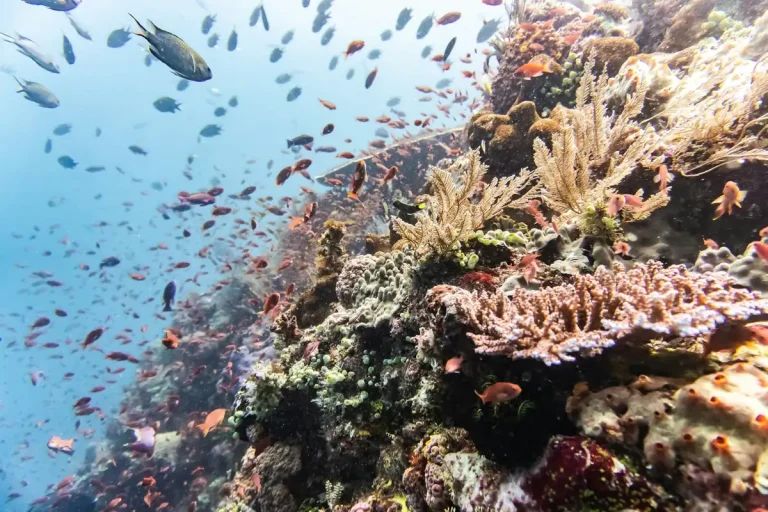
Derawan Island is renowned for its marine biodiversity, including species such as green turtles, hawksbill turtles, and various types of coral. Engage in responsible diving and snorkelling practices by not touching coral reefs and maintaining a respectful distance from marine creatures. Avoid using flash photography underwater, as it can disturb marine life. Participating in beach clean-up activities organised by local environmental groups can also help maintain the pristine condition of the island’s beaches and water. These efforts are crucial as the island is part of the Coral Triangle, a global centre of marine biodiversity.
Learn more about the efforts to protect Derawan’s marine life.
Eco-Friendly Activities on Derawan Island
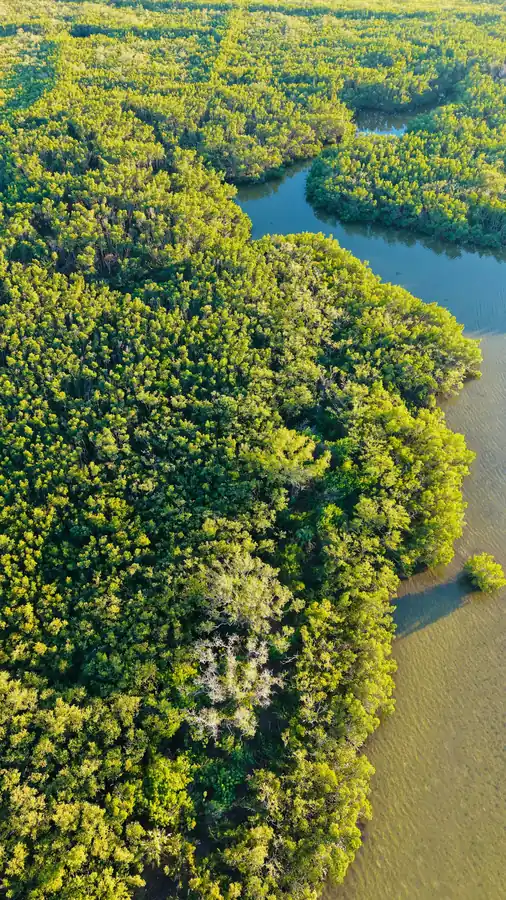
Engage in activities that promote sustainability, such as guided eco-tours that educate visitors on local flora and fauna. These tours often include visits to the island’s mangrove forests and seagrass beds, which are vital habitats for many marine species. Support conservation projects or volunteer with local environmental organisations that focus on turtle conservation or coral reef restoration. These activities not only enrich your travel experience but also contribute to preserving Derawan’s natural heritage. Consider joining workshops that teach sustainable fishing practices or how to make traditional crafts using natural materials.
For more ideas on what to do, visit our page on activities on Derawan Island.
2027 Note: As of 2027, Derawan Island has implemented additional measures to support sustainable tourism, including improved waste management systems and stricter regulations on marine conservation efforts. Visitors are encouraged to participate actively in these initiatives to ensure the island remains a pristine travel destination. The island has also introduced educational programmes for tourists to learn about the local ecosystems and the importance of sustainable tourism practices.
FAQ
How can I travel more sustainably to Derawan Island?
Travel more sustainably to Derawan Island by choosing eco-friendly transport options, supporting local businesses, and practising responsible tourism that respects local cultures and environments. Plan your itinerary to include eco-friendly activities and accommodations, and consider offsetting your carbon emissions through reputable programmes.
What are the best eco-friendly activities on Derawan Island?
Some of the best eco-friendly activities include guided eco-tours, participating in local conservation projects, and choosing sustainable water sports like snorkelling with reef-safe practices. Additionally, engaging in cultural exchanges with local communities can provide insight into traditional ways of life and promote mutual understanding.
Why is it important to use reef-safe sunscreen on Derawan Island?
Using reef-safe sunscreen is important because it prevents harmful chemicals from damaging coral reefs and marine life, supporting the island’s ecological balance and biodiversity. Healthy coral reefs are essential for marine life and provide protection against coastal erosion, making their preservation crucial for the island’s future.