When Is the Best Time to Visit the Derawan Archipelago?
Updated: August 2026
- Peak Diving Conditions: Enjoy calm surfaces and maximum sunlight, enhancing the vibrant colors of the coral reefs.
- Optimal Wildlife Sightings: This is the prime season for turtle nesting and reliable manta ray encounters at Sangalaki.
- Seamless Logistics: Smoother boat transfers between islands like Maratua, Kakaban, and Sangalaki without weather disruptions.
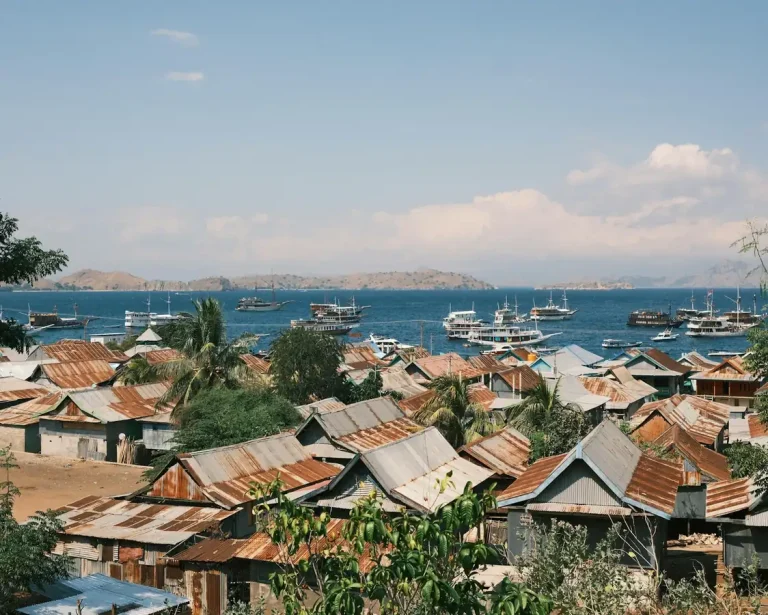
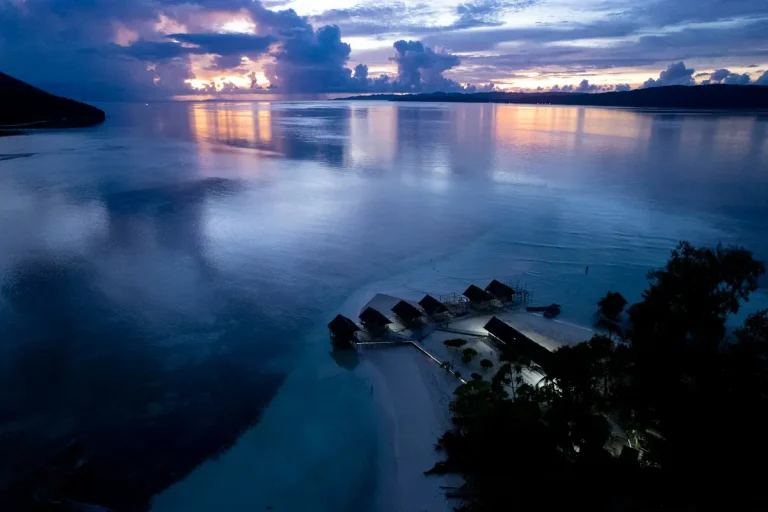
The air hangs heavy and still, thick with the scent of salt and sun-baked pandan leaves. Below the weathered planks of the jetty, the Celebes Sea breathes in a slow, turquoise rhythm. A lone sea turtle, ancient and unhurried, surfaces for a moment, its dark eyes meeting yours before it vanishes back into the liquid clarity. This is the daily cadence of life in the Derawan Archipelago, a remote constellation of 31 islands off the coast of East Kalimantan, Borneo. Deciding when to experience in this world isn’t just a matter of checking a weather forecast; it’s about aligning your desires with the subtle, powerful cycles of the ocean itself.
Understanding Derawan’s Tropical Rhythms: The Dry Season Peak
For the discerning traveler, timing is everything. The consensus among seasoned dive operators and our on-the-ground contacts points unequivocally to the best season, which typically runs from April through November, as the premier window for a visit. The term “dry season” in this equatorial region, just two degrees north of the equator, is relative; however, these months see a significant drop in precipitation, with monthly rainfall often below 150mm. This translates to a cascade of benefits that elevate a trip from merely good to exceptional. The primary advantage is the state of the sea. The prevailing southeasterly winds are gentler, resulting in calmer surfaces that make the speedboat transfer of about 40 minutes from Tanjung Batu far more comfortable. More importantly, this tranquility extends underwater. The lack of significant rainfall runoff from the Borneo mainland means underwater visibility can reach a spectacular 30 to 40 meters. At world-class sites like Maratua’s “The Channel,” this clarity transforms a great dive into a cinematic experience, where you can watch squadrons of barracuda and cruising grey reef sharks materialize from the deep blue. Water temperatures remain a consistent and welcoming 28-29°C (82-84°F), allowing for comfortable, long dives without the need for thick neoprene.
The Shoulder Seasons: A Strategic Play for Solitude and Value
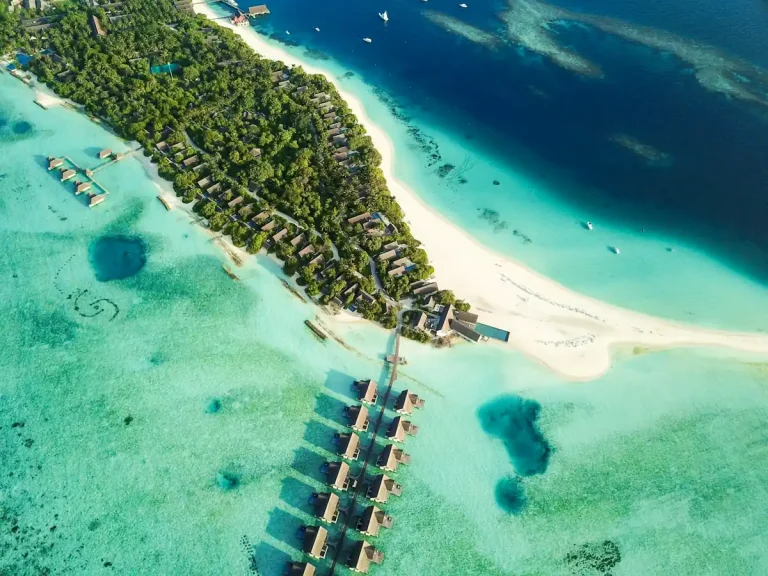
The first and last months of the April to November best season, April and November, present a compelling alternative for the strategic traveler. These transitional periods act as a buffer between the wet and dry seasons, offering a blend of advantages. April, in particular, can be a magnificent time to explore the archipelago. The last of the heavier rains has typically subsided, but the peak season crowds have yet to arrive. You may experience an occasional afternoon shower, but it’s usually brief, clearing the air and leaving the islands glistening. This is often the month when visibility begins to truly open up, and it coincides with the beginning of the most reliable period for whale shark sightings near Talisayan. We’ve found that securing reservations at the more exclusive overwater villas on Maratua can be simpler in April. November offers a similar proposition at the tail end of the season. The first signs of the northwest monsoon may appear, but the weather is often still quite stable. For the dedicated diver, a little unpredictability in surface weather is a small price to pay for having a site like Sangalaki’s Manta Avenue almost entirely to yourself.
Navigating the Wet Season: A Calculated Risk for the Dedicated Diver
The wet season, from December to March, is often dismissed by guidebooks, but for a certain type of traveler, it holds a unique appeal. This period is characterized by the northwest monsoon, which brings increased rainfall—sometimes exceeding 300mm per month—and choppier sea conditions. Boat transfers can be less predictable, and some more exposed dive sites may occasionally be inaccessible. So, why would one consider a visit? Firstly, the islands are at their most lush and verdant, and the dramatic cloudscapes make for powerful photography. Secondly, and most importantly for underwater enthusiasts, the marine life doesn’t go on vacation. The diving can still be extraordinary. While visibility might be reduced to a still-respectable 15-20 meters, the increased nutrients in the water can attract different kinds of life. Plankton blooms during this time can lead to a higher concentration of filter feeders. According to the official Indonesia Travel portal, the archipelago remains a year-round destination. Experienced divers who are comfortable with variable conditions and prioritize solitude over perfect weather will find the wet season rewarding. It requires flexibility and a willingness to adapt the day’s plan to the weather, but the payoff is an intimate experience with this remote paradise, free from the high-season flotilla of dive boats.
Marine Life Calendar: Timing Your Visit for Specific Encounters
The ultimate determination of the best time to visit the Derawan Archipelago often comes down to a single question: what do you want to see? The archipelago’s status as a UNESCO World Heritage Tentative List site is built on its staggering biodiversity, and timing your visit can dramatically increase your chances of specific encounters. For the iconic whale sharks, the window between April and June is paramount. This is when the large fishing platforms known as *bagans* are most active, and their lights attract the plankton that draws in these gentle giants. For manta rays, Sangalaki Island is the epicenter. While present year-round, their numbers peak from October to May when the plankton-rich currents are strongest. Green and hawksbill turtles are a constant presence, as Derawan is the largest nesting site for green turtles in Indonesia. However, the peak nesting season, when you have the highest probability of witnessing a female hauling herself ashore at night to lay her eggs, is from June to September. For those seeking macro life, the legendary pier at Maratua Paradise Resort is a year-round collection, but the calmer seas of the April to November season allow for easier access to more distant macro sites. The world-famous non-stinging jellyfish of Kakaban Lake are, thankfully, a permanent and ethereal fixture, available for swimmers 365 days a year, regardless of the season.
Beyond the Weather: Cultural Events and Island Logistics
While nature dictates the primary schedule, human factors also play a role in planning your journey. The major Indonesian public holidays, such as Eid al-Fitr (the dates of which vary each year based on the lunar calendar) and the Christmas/New Year period, see a surge in domestic tourism. During these times, flights to Kalimarau Airport (BEJ) in Berau, which you book yourself, can be fully booked months in advance. The atmosphere on derawan island itself becomes more festive and crowded. For those seeking tranquility, it is wise to plan around these peak domestic travel dates. Conversely, experiencing a local event can add a unique cultural layer to your trip. The annual Maratua Jazz & Dive Fiesta, for instance, usually held in the latter half of the year, combines world-class music with the archipelago’s underwater allure. It’s also worth noting that the logistics of reaching this remote corner of Borneo are a significant part of the experience. From Kalimarau Airport in Berau, it’s about 2.5 to 3 hours by road to Tanjung Batu, followed by about 40 minutes by speedboat to Derawan. Planning this final leg during daylight hours and in the calmer seas of the dry season is not just a matter of comfort but also of safety. The car and speedboat transfers are included in our trips, and we can help you navigate these details when planning your journey to the Derawan Atoll.
Quick FAQ on Planning Your Derawan Trip
When is the absolute best month for a first-time visitor?
For a first-time visitor looking for the quintessential Derawan experience, we recommend September. You are in the heart of the April to November best season, ensuring excellent weather and sea conditions. It’s also peak turtle nesting season, and the summer holiday crowds have begun to thin, offering a perfect balance of activity and serenity.
Is diving still good during the rainy season?
Yes, absolutely. While surface conditions can be choppy and visibility may be slightly reduced, the marine life is still abundant. The water temperature remains warm, and many dive sites, especially those in sheltered bays, are still accessible. It’s a great time for experienced divers looking to avoid crowds.
How does the timing affect pricing?
The peak months from June to September, along with major holidays, see the highest prices for flights, which you book yourself. Our trip price depends on the stay you choose: a private 3D2N starts from USD 1,290 in total for 2 guests, and the 4D3N open trip is USD 280 per person.
What about non-diving activities?
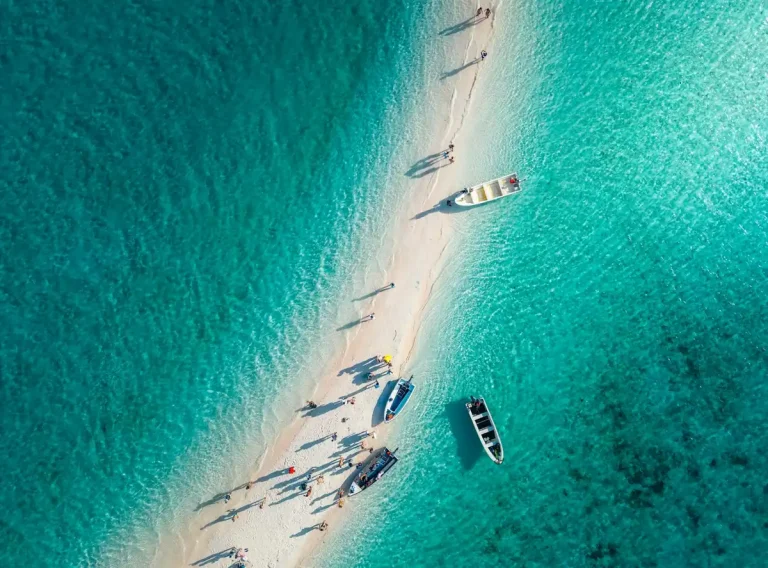
The timing recommendations hold true for non-divers as well. The best season from April to November is ideal for island hopping, sunbathing on the pristine sandbars of Gusung Sanggalau, and swimming in Kakaban’s jellyfish lake, as calmer seas make for much more pleasant boat travel between the islands that make up the Derawan Islands.
Ultimately, the “best time” to visit is a personal calculation, weighing your tolerance for a rogue rain shower against your desire for solitude. But for those seeking to experience this Bornean jewel in its most brilliant state—with sun-drenched days, glassy seas, and underwater visibility that feels infinite—the months from April to November are undeniably the time to go. The archipelago’s delicate ecosystems and profound beauty demand a thoughtful approach to travel. When you are ready to choreograph your own perfect encounter with the turtles, mantas, and pristine reefs, let the Derawan Island be your guide. Explore our complete resources on derawan island to begin crafting an expedition that aligns perfectly with the rhythms of the sea.