Visiting the Derawan Islands in July: A Complete Weather Guide

Updated: August 2026
- Peak Weather: Expect minimal rainfall, abundant sunshine, and calm seas, facilitating smooth inter-island transfers.
- Superior Diving Visibility: Underwater clarity frequently exceeds 25 meters, providing exceptional conditions for diving and snorkeling.
- Prime Wildlife Sightings: July is a peak period for manta ray aggregations at Sangalaki and green turtle nesting events.
The low hum of the speedboat’s twin engines is the only sound that interrupts the profound quiet of the Celebes Sea. You’re skimming across a cerulean expanse so flat it mirrors the cloudless sky, the salt spray a refreshing mist against skin already warm from the equatorial sun. This is the approach to the Derawan Archipelago in July, a sensory immersion that begins long before you strap on a dive tank. The air itself, thick with humidity but free from the oppressive weight of the monsoon, feels charged with potential. For the discerning traveler, timing is everything, and arriving in East Kalimantan during this specific meteorological window is not a matter of luck, but of strategic planning. It’s the difference between a good trip and an expedition that becomes etched into memory. Understanding the intricate weather patterns, the subtle shifts in water temperature, and the corresponding movements of marine megafauna is the key to unlocking the archipelago’s most profound secrets. And in July, all these elements align in a near-perfect symphony of tropical brilliance. (See Coral Triangle Initiative for context.)
Why July is the Apex Season for the Derawan Archipelago
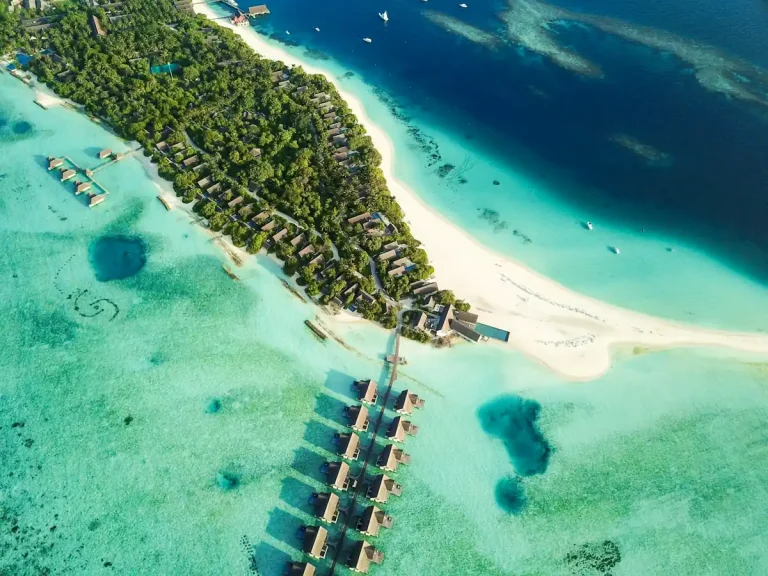
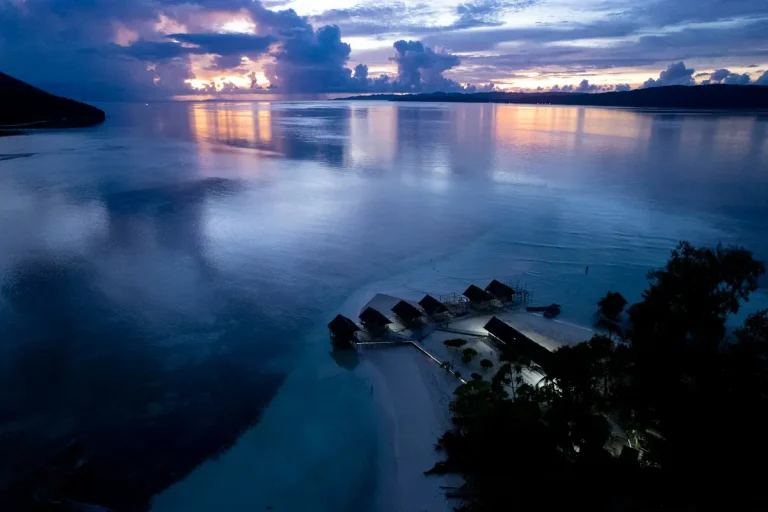
For those of us who have charted the globe’s premier marine destinations for decades, we recognize a “golden window” when we see one. For the Derawan Islands, that window is flung wide open in July. This month represents the absolute zenith of the region’s dry season, which typically spans from April to November. Meteorologically, this translates to the most stable and predictable weather patterns of the year. While the tropics are never entirely without the chance of a passing shower, July sees average monthly rainfall plummet to below 75 millimeters, a stark contrast to the 300-plus millimeters that can drench the islands in the peak wet season months of January and February. This lack of significant precipitation has a direct and overwhelmingly positive impact on the travel experience. The sun prevails, with daily sunshine averaging 8 to 9 hours, creating perfect conditions for lounging on the bleached-white sands of islands like Panambungan or capturing professional-grade photography of the iconic overwater bungalows. More critically for an archipelago of 31 islands, the calm atmospheric conditions translate to placid seas. This makes the essential inter-island speedboat journeys—the lifeblood of any Derawan itinerary—not just safer, but genuinely pleasurable. The often-choppy crossings that can challenge travelers in the shoulder seasons become smooth, scenic transits, allowing for easy exploration of the atoll’s key sites, from Kakaban’s jellyfish lake to Sangalaki’s manta sanctuary. According to the official Indonesia Travel portal, this period is highly recommended for just this reason: accessibility and comfort are at their annual peak, ensuring your expedition is defined by discovery, not by weather-related disruption.
Air and Water Temperatures: A Deep Dive into July’s Climate
The climate data for the Derawan Islands in July paints a picture of quintessential tropical perfection, a carefully balanced environment ideal for both surface-level relaxation and deep-water exploration. On land, daytime air temperatures consistently hover between 29°C and 32°C (84°F to 90°F), with the ever-present sea breeze providing a natural and welcome cooling effect. Unlike the more oppressive heat found in other parts of Southeast Asia, the maritime influence here moderates the extremes. Nighttime temperatures offer comfortable relief, dipping to a pleasant 23°C to 25°C (73°F to 77°F), eliminating the need for more than a light covering. Humidity, while a constant in this part of the world, is more manageable during the dry season, typically ranging from 75% to 85%. The UV index, however, is a factor that demands respect; it frequently reaches 11 or higher, making high-SPF, reef-safe sunscreen, wide-brimmed hats, and polarized sunglasses essential gear rather than optional accessories.
Beneath the waves, the conditions are equally inviting. I spoke with Mira Devlin, a dive operations manager in Maratua with over two decades of experience in these waters, who confirmed that “July offers the sweet spot for water temperature, averaging a consistent 28°C to 29°C (82°F to 84°F) from the surface down to 30 meters.” This consistent warmth means most divers find a 3mm shorty wetsuit to be more than sufficient, while many seasoned tropical divers and snorkelers are perfectly comfortable in just a rash guard for sun and jellyfish protection. This thermal comfort allows for longer, more immersive dives without the risk of chilling, a critical factor when you’re waiting patiently for a squadron of eagle rays to pass or observing the intricate cleaning rituals at a manta station. This sublime balance of warm air and even warmer water is the core of the July experience, a physical comfort that allows one to fully engage with the extraordinary environment of this Borneo hidden diving atoll.
Visibility and Marine Conditions: What to Expect Below the Surface
For the underwater enthusiast, water clarity is the ultimate currency, and in July, the Derawan Islands are exceptionally wealthy. The lack of significant rainfall and subsequent land runoff results in a dramatic improvement in underwater visibility. Throughout the month, divers can consistently expect visibility in the 20 to 30-meter (65 to 100-foot) range across most of the archipelago’s premier dive sites. On days with favorable tides and currents, particularly around the outer atoll walls of Maratua, it’s not uncommon for visibility to push an astounding 40 meters. This crystalline clarity transforms dive sites like “The Channel” (also known as Big Fish Country) from a great dive into an memorable spectacle. You can observe the schooling barracuda forming their signature vortex from a great distance, track sharks patrolling the reef edge, and appreciate the full, vibrant color spectrum of the gorgonian sea fans that adorn the steep walls. The Celebes Sea, as detailed by Wikipedia, is a piece of an ancient ocean basin, and its deep, clear waters are a defining characteristic. In July, this characteristic is on full display. The sea surface is also remarkably calm. Sea states typically register at a Beaufort scale 1 or 2, indicating a glassy surface with minimal swell. This not only enhances the comfort of dive boat journeys but also significantly improves conditions for snorkelers. At sites like the Kakaban jellyfish lake or the shallow reefs around Derawan Island itself, the placid surface allows for effortless floating and observation, with sunlight penetrating deep into the water column and illuminating the marine life below. It is this combination of exceptional visibility and serene surface conditions that solidifies July’s reputation among veteran divers as the prime time to explore the full majesty of the Derawan Island ecosystem.
Wildlife Encounters in July: From Manta Rays to Turtle Hatchlings
The predictable, favorable weather of July directly correlates with some of the archipelago’s most sought-after wildlife encounters. This is the heart of the season for manta ray aggregations at Sangalaki Island’s famous cleaning stations. The nutrient-rich currents, combined with the calm conditions, attract large numbers of both reef mantas (Manta alfredi) and the occasional oceanic manta (Manta birostris). It’s common for dive groups to witness a dozen or more of these graceful giants queuing patiently to have parasites removed by cleaner wrasse. The visibility allows for observation from a respectful distance, watching the entire ballet unfold. Furthermore, July is a peak nesting month for the green sea turtles (Chelonia mydas) that give the Derawan Islands their UNESCO tentative list status as a site of “globally significant nesting beaches.” On Sangalaki and Derawan islands, nightly patrols often reveal females hauling themselves ashore to lay their clutches of 80-100 eggs. For those staying at resorts with conservation programs, there’s a high probability of witnessing a supervised release of hatchlings, a truly moving experience as dozens of tiny turtles scramble across the sand towards the sea. Beyond these two headliners, the marine life is prolific. At Kakaban, the four unique species of non-stinging jellyfish in the landlocked lake are at their highest concentrations. For those venturing to the whale shark aggregation point off Talisayan on the mainland, the calm seas of July make the early morning 2-hour boat journey more reliable, increasing the chances of snorkeling alongside these gentle behemoths as they feed around the local fishing platforms (bagans). This confluence of peak seasons for multiple marquee species makes a trip to the derawan islands in july a strategic choice for any serious marine life aficionado.
Navigating Inter-Island Travel and Logistics
The logistical component of a multi-island trip in a remote archipelago can be as challenging as the environment itself, but July’s clement weather significantly streamlines the process. The primary gateway to the region is Berau’s Kalimarau Airport (BEJ), which you fly into on a flight booked by you. From Berau, it’s an about 2.5 to 3-hour overland journey to the port at Tanjung Batu, the main jumping-off point for the islands. In July, road conditions are at their best, free from the mud and washouts that can plague the wet season. The most crucial leg of the journey is the final speedboat transfer from Tanjung Batu to Derawan Island, which takes about 40 minutes; Maratua is reached by speedboat on day 2. The calm seas typical of July make these transfers fast, safe, and relatively dry. This reliability is paramount for planning. On the Open Trip, your flight must land in Berau by 08.20 WITA, and arriving the day before is recommended. Inter-island excursions, the very essence of a comprehensive Derawan experience, also benefit. A day trip from Maratua to Kakaban and Sangalaki, for instance, involves at least 90 minutes of total boat time. In July, this is a scenic and enjoyable part of the adventure, not an endurance test. On our private trips, a private speedboat for island hopping is included, all the more worthwhile in the perfect weather. Planning a seamless trip to Derawan Island is about minimizing variables, and the stable weather of July removes the largest one from the equation.
Quick FAQ: Planning Your July Expedition
Is July a crowded time to visit the Derawan Islands? While July is considered peak season due to the ideal weather and European summer holidays, “crowded” here is a relative term. You will not find the packed beaches of Bali or the Gili Islands. Dive sites are well-managed, and the vastness of the archipelago absorbs visitors well. However, the best resorts, particularly the exclusive water villas on Maratua and Nabucco, are often fully booked 6 to 9 months in advance. We strongly advise securing your trip and accommodation well ahead of time.
What specific items should I pack for a July trip? Beyond standard tropical wear, prioritize a high-quality, reef-safe sunscreen (SPF 50+), a wide-brimmed hat, and UV-protective rash guards for water activities. A good dry bag is indispensable for protecting electronics on boat transfers. While credit cards are accepted at high-end resorts, bringing a sufficient amount of Indonesian Rupiah (IDR) is crucial for smaller purchases, staff gratuities, and any local village visits. Also, pack a reliable insect repellent containing DEET for evenings, as mosquitos can still be present, though less so than in the wet season.
Are there any cultural festivals or events in Derawan in July? The focus in the Derawan Islands is almost entirely on the natural calendar rather than a cultural one. There are no major religious or national festivals that fall specifically in July which would impact travel. Your experience will be centered on the rhythms of the tides, the nesting of turtles, and the gathering of marine life. The local Bajau communities are welcoming, but organized cultural tourism is minimal; the main event is the spectacle of nature itself.
What are the power and connectivity situations like? Most reputable resorts operate on their own generators, providing 24-hour electricity. However, power fluctuations can occur. Wi-Fi is generally available in the common areas of resorts but can be slow and intermittent. It is sufficient for sending messages but not for streaming or heavy data use. We recommend purchasing a local Telkomsel SIM card at the airport in Berau for the most reliable cellular data signal, which can be surprisingly decent on some of the main islands.
Ultimately, choosing to visit the Derawan Islands in July is a decision to experience this world-class destination under the most flawless conditions imaginable. It is a time when the sun, sea, and marine life conspire to deliver an unparalleled journey into one of the planet’s last great underwater sanctuaries. The clarity of the water is matched only by the clarity of purpose one feels when immersed in such a pristine environment. For those ready to experience the archipelago at its zenith, our comprehensive guides to derawan island provide the blueprint for an unparalleled expedition, ensuring every detail is as perfect as the July weather itself.