A Complete Price Guide for Your Derawan Archipelago Vacation
Updated: August 2026
- Private Trip 3D2N from USD 1,290 in total for 2 guests (Standard; Premium from USD 1,390).
- Private Trip 4D3N from USD 2,190 in total for 2 guests.
- Open Trip 4D3N USD 280 per person (VIP USD 300), minimum 7 guests; single room +USD 60 for 3 nights.
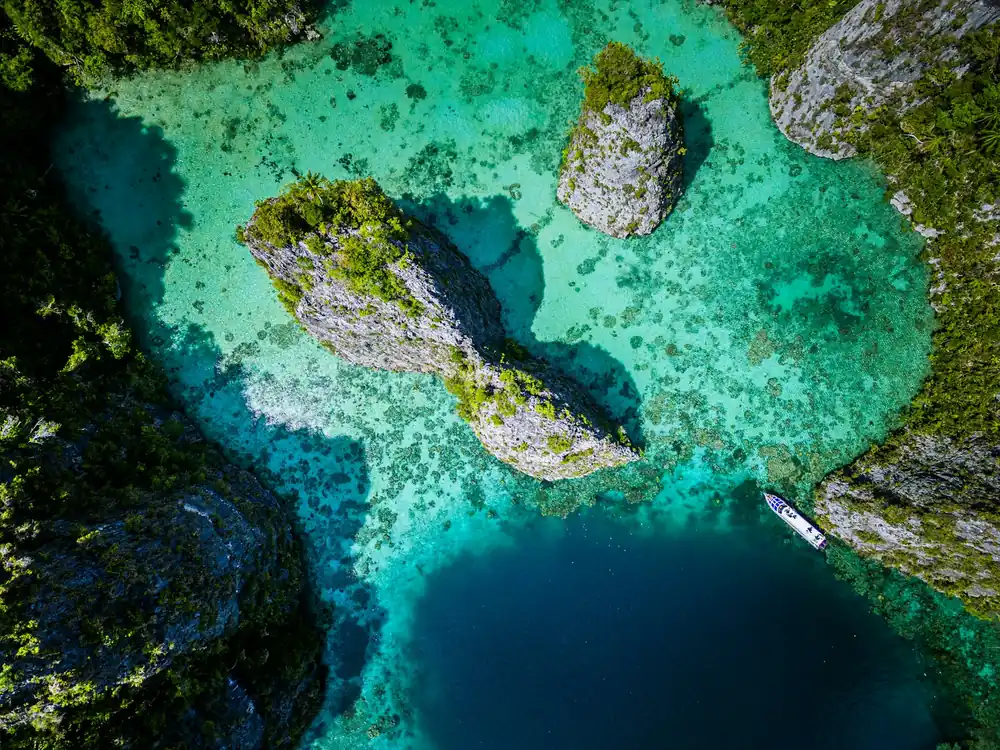
The low thrum of a twin-engine speedboat is the first sound that defines your arrival. It’s the sound of departure from the mainland, a clean cut from the familiar world. Salt spray mists your face as the forested coastline of East Kalimantan recedes, replaced by an impossible gradient of blue. Then, the islands appear on the horizon—not as dramatic volcanic peaks, but as low-lying slivers of brilliant white sand and emerald jungle. This is the Derawan Archipelago, a destination where the investment is not merely in a vacation, but in access to one of the planet’s most vibrant and secluded marine ecosystems. For the discerning traveler, understanding the economics of such a journey is the first step in crafting an memorable experience. Here, we break down the real numbers, providing a transparent guide to the cost of immersion in this Bornean aquatic paradise.
Deconstructing the Derawan Archipelago Price: Flights and Transfers
Your financial outlay for a Derawan expedition begins long before you feel the sand between your toes. The journey is a multi-stage process, a testament to the archipelago’s prized remoteness. You fly (booked by you) to Kalimarau Airport (BEJ) in Berau, East Kalimantan; flights are not included in our trips. We advise securing these flights at least 90 days out, particularly for travel during the best season from April to November.
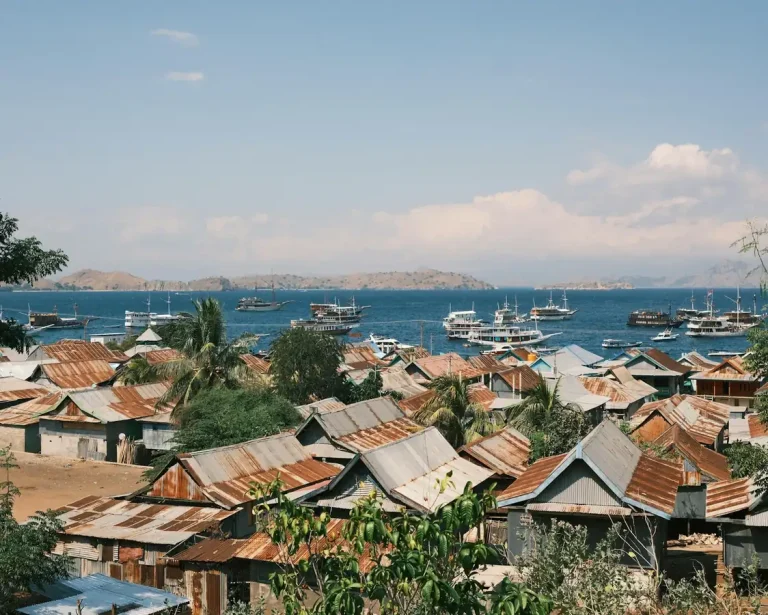
Upon landing in Berau, the logistical chain continues. The next leg is an about 2.5 to 3-hour car transfer to the coastal port of Tanjung Batu. This is not a journey to be left to chance; the car from Kalimarau to Tanjung Batu and back is included in our trips. From Tanjung Batu, the final step is an about 40-minute speedboat ride to Derawan Island, also included; the more exclusive Maratua Atoll is reached by speedboat from Derawan on day 2. As our trusted local fixer, Pak Hendra of Borneo Dive Treks, always says, “The journey to Derawan is part of the experience. Pay for seamlessness, and you arrive ready for the magic, not exhausted by the logistics.”
The Spectrum of Accommodation: From Overwater Bungalows to Private Villas
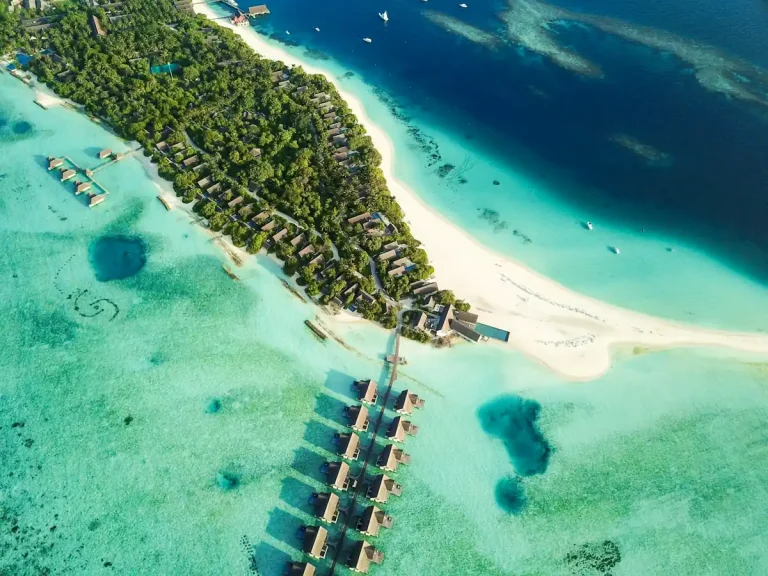
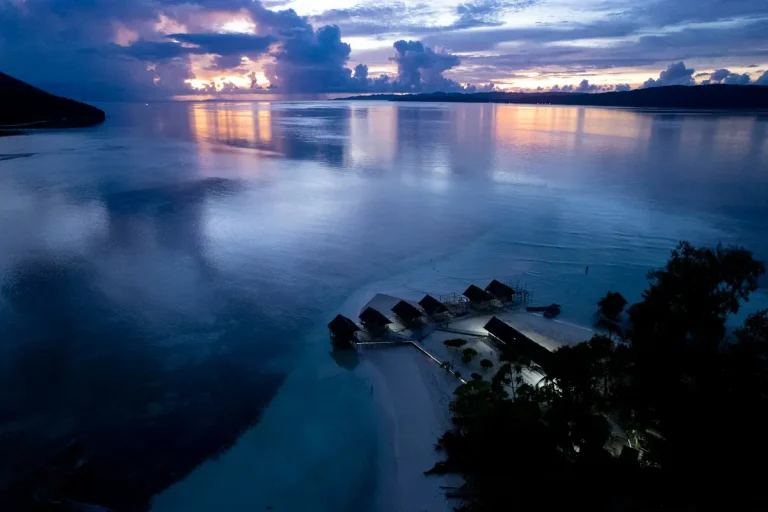
The character and cost of your Derawan vacation are most significantly defined by your choice of lodging. The archipelago offers a spectrum of options, but for the luxury traveler, the focus invariably falls on the private island resorts of the Maratua Atoll. This is where the highest concentration of premium properties is found, each offering a distinct flavor of refined isolation. At the Maratua Paradise Resort, for example, Water Villas with direct ladder access to the turquoise lagoon are one of the stays you can choose, from USD 1,690 in total for 2 guests on a 3D2N private trip (Standard). These rooms provide the quintessential tropical experience, with the house reef and its resident sea turtles just a few fin kicks away. For a more boutique and European-managed feel, Nabucco Island Resort and its sister property, Nunukan Island Resort, offer all-inclusive packages that are a favorite among serious divers.
These packages often represent the best value, bundling accommodation, three meals a day, and two to three boat dives. It’s crucial to examine what is included; some packages cover unlimited shore diving, while others may charge extra for trips to more distant sites. The official Indonesia.travel portal rightly emphasizes the biodiversity here, and the premium pricing of these resorts is a direct reflection of their proximity to and stewardship of these world-class marine environments. The investment secures not just a room, but frontline access to a natural spectacle.
The Core Experience: Diving, Snorkeling, and Private Charters
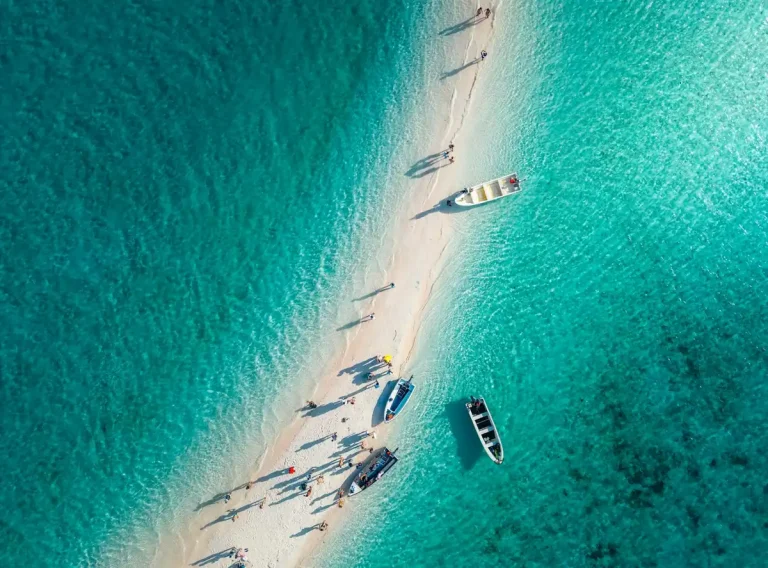
The fundamental reason for journeying to this corner of the Celebes Sea is the unparalleled underwater access. The “derawan archipelago price” is, in essence, the price of admission to a living aquarium. Our Derawan trips are snorkel-based; scuba diving is not included. The true luxury, however, lies in a private trip. On our private trips, a private speedboat is included, allowing you to visit the archipelago’s ‘big three’ sites without sharing a boat. This is the ultimate way to experience the islands.
A private boat day can look like this: start at Sangalaki Island, the famed cleaning station for giant manta rays, where encounters are nearly guaranteed between April and November. Then, motor to Kakaban Island, a site so unique it’s part of a region on the UNESCO World Heritage Tentative List. Here, you’ll snorkel in a landlocked marine lake filled with millions of stingless jellyfish—a truly surreal encounter. The park entrance fee, included in our trips, feels insignificant for such a profound experience. Finish the day with a drift dive at Maratua’s “Big Fish Country,” a channel where sharks, massive schools of barracuda, and eagle rays congregate. As Jakarta-based travel curator Anisa Riyanti tells her clients, “Don’t just book dives; book a private boat. It transforms the experience from a tour into an expedition.” Exploring these iconic dive sites is the primary allure for those visiting the pristine waters of Derawan Island and its neighbors.
Liveaboards: The All-Inclusive Floating Resort
For the committed diver or the traveler who wishes to see the entire breadth of the archipelago without the constraints of a land-based resort, a liveaboard is the definitive choice. These floating boutique hotels offer an unparalleled level of efficiency and access, moving between premier dive sites while you dine or sleep. The experience is an immersion, with the rhythm of the day dictated by tides and marine life activity. A typical day involves three to four dives, beginning with a pre-breakfast plunge and often concluding with a dusk or night dive. The vessels operating in these waters are often magnificent Phinisi schooners—traditional Indonesian two-masted sailing ships refitted with modern comforts like air-conditioned cabins, ensuite bathrooms, and dedicated camera rooms.
The price for this all-inclusive mobility reflects its exclusivity. A liveaboard typically includes round-trip transfers from Berau airport, all meals and non-alcoholic beverages, and all diving activities. However, it’s vital to budget for the extras: marine park and port fees, rental of specialized equipment like dive computers, Nitrox fills for extended bottom times, and crew gratuity. Liveaboards are not something we sell; our Derawan trips are snorkel-based. While the upfront cost is significant, a liveaboard consolidates nearly all expenses into one, providing the most comprehensive and logistically seamless way to conquer this vast marine territory.
Onshore Costs: Dining, Conservation Fees, and Sundries
While many luxury packages are all-inclusive, it’s wise to budget for ancillary expenses that enhance the experience and address practical needs. For those not on a full-board plan, or for guests wishing to explore beyond their resort, dining costs can add up. On our trips, meals are included (6 on the 3D2N, 9 on the 4D3N), apart from lunch in Berau on the last day. On the main island of Derawan, which has a more local village feel, a simple and delicious meal at a family-run warung offers an authentic taste of the local culture.
A crucial and worthwhile expense is the series of conservation and marine park fees. The Derawan Archipelago is a designated Marine Protected Area (MPA), and visitor contributions are vital for its upkeep. These fees directly fund patrols against illegal fishing, support turtle nesting conservation programs on Sangalaki and Derawan islands, and maintain the fragile ecosystem of Kakaban’s jellyfish lake. On our trips, these entrance fees are included in the price. Another practical consideration is connectivity. Wi-Fi in this remote region is often slow and unreliable. We strongly recommend purchasing a Telkomsel SIM card upon arrival in Berau; a data package will provide a much more stable connection. Finally, remember to factor in gratuities for the dive guides, boat crews, and resort staff whose expertise and service are integral to a safe and memorable trip.
Quick FAQ: Your Derawan Pricing Questions Answered
What is the best time to visit to optimize cost and experience? The best season, from April to November, offers the calmest seas and best visibility; December to March is the wetter period. Open Trip departures run in every month. The visibility for manta rays at Sangalaki is often at its absolute best during this period.
Can I use credit cards on the islands? High-end resorts on Maratua, Nabucco, and Nunukan will accept Visa and Mastercard for your primary bill. However, for any smaller purchases, dive shop extras, or local interactions on islands like Derawan Island, cash is essential. There are no ATMs in the archipelago. We advise withdrawing a sufficient amount of Indonesian Rupiah (IDR) in Berau or a larger city beforehand for incidentals and tips.
Is travel insurance necessary for a Derawan trip? It is absolutely non-negotiable, and travel insurance is included in our trips. If you plan to dive independently, check that you have emergency medical evacuation coverage. We also highly recommend specific dive insurance, such as that offered by the Divers Alert Network (DAN), which covers hyperbaric chamber treatment. The nearest such facility is a significant distance away in Balikpapan, and an emergency transfer would be prohibitively expensive without proper coverage.
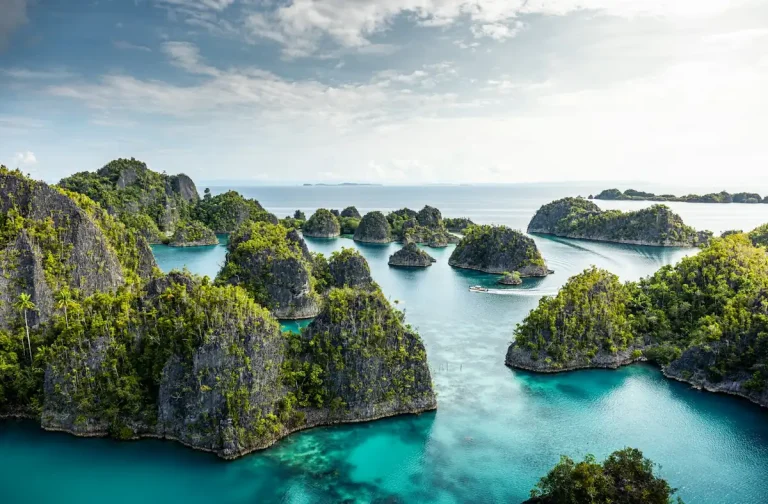
How does the Derawan Archipelago price compare to other luxury dive destinations like Raja Ampat? Derawan generally presents a more accessible and slightly more moderate price point than Raja Ampat. While both offer world-class, biodiverse diving, Raja Ampat’s extreme remoteness leads to higher operational costs for resorts and liveaboards, which are passed on to the consumer. You can expect comparable luxury experiences in Raja Ampat to be 20-30% more expensive than in Derawan, making Derawan an excellent value for a top-tier Indonesian marine adventure.
Ultimately, the cost of a journey to the Derawan Archipelago is an investment in rarity. It is the price of entry to a world of pristine coral gardens, squadrons of manta rays, and lakes filled with harmless, pulsating jellyfish. The value is not found in a simple line-item budget but in the profound, quiet moments: watching a green turtle haul herself onto a moonlit beach to nest, or floating weightlessly in a channel as a school of a thousand barracuda swirls around you. Planning a trip of this caliber requires expert insight and meticulous attention to detail. To begin crafting your own bespoke journey into the heart of Borneo’s marine wilderness, explore our definitive guide to Derawan Island — Borneo’s Hidden Diving Atoll and let us help you navigate this extraordinary corner of the world.