Updated: August 2026
Climate change is severely impacting Derawan Island, leading to rising sea levels, coral bleaching, and disrupted marine ecosystems. These changes threaten the island’s natural beauty and biodiversity, affecting local communities and tourism-dependent economies.
Climate Change Derawan Island
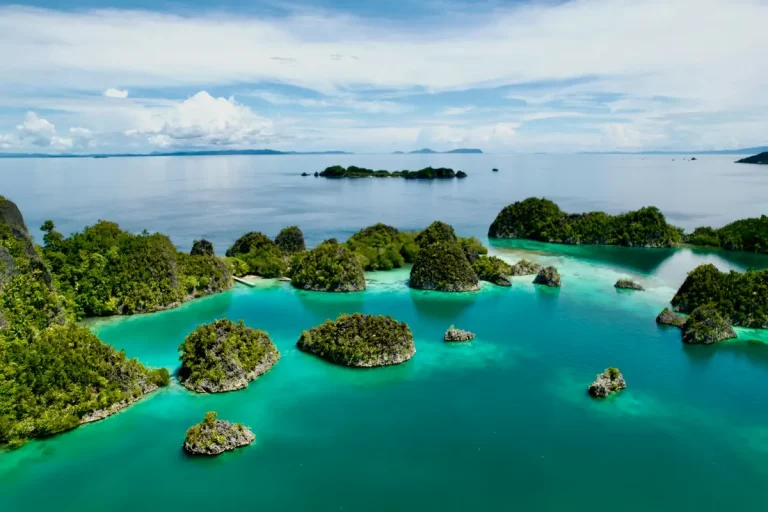
Derawan Island, located in the province of East Kalimantan, Indonesia, is renowned for its diverse marine life and clear turquoise waters. However, the island is confronting significant challenges due to climate change. The rise in global temperatures is causing myriad environmental changes, which threaten to alter both its landscape and ecosystems. The island spans an area of approximately 1.3 square kilometres and is home to around 1,000 residents who rely heavily on fishing and tourism for their livelihoods. As temperatures continue to rise, Derawan faces the threat of becoming a cautionary example of how climate change can impact small island communities.
Environmental Impact Derawan
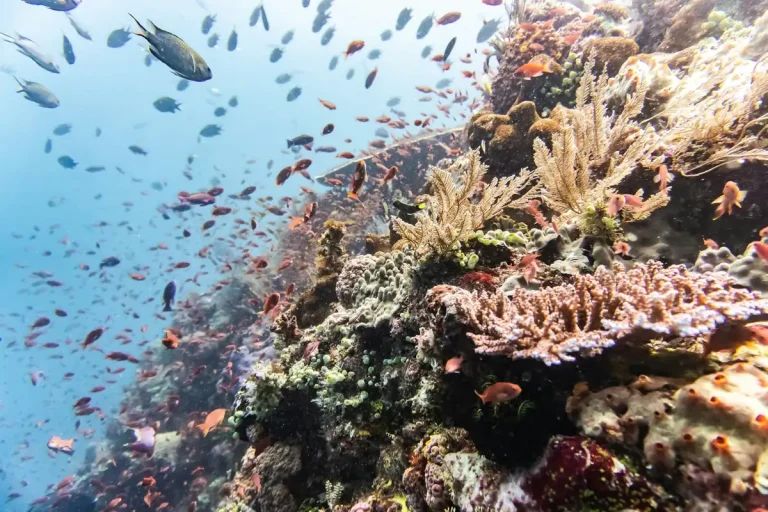
The environmental impact on Derawan Island is severe as climate change accelerates. Sea levels in the region are rising at an average rate of three millimetres per year, a trend that is expected to continue or worsen. This rise is leading to coastal erosion, which threatens both natural habitats and human settlements. The island’s coral reefs, which are among the most biodiverse globally, are experiencing stress from increased water temperatures. The average sea surface temperature around Derawan has risen by 0.13°C per decade since the 1950s, contributing to coral bleaching events. These bleaching events not only diminish the island’s aesthetic appeal but also have dire repercussions for marine life, as coral reefs serve as critical habitats for numerous marine species.
Climate Effects Derawan
The effects of climate change on Derawan Island extend beyond the visible impacts on the landscape. There is increasing variability in rainfall patterns, with some years experiencing significant droughts while others face intense rainfall and flooding. More intense storms are also becoming frequent, posing threats to infrastructure and freshwater supplies. The island’s freshwater resources, primarily dependent on rainwater, are at risk of contamination from saltwater intrusion due to rising sea levels. These climatic shifts are disrupting local fishing practices, which are vital for the island’s economy. The changes in sea temperature and acidity are affecting fish populations and distribution, compelling fishermen to travel further and spend more time at sea, which increases their operational costs.
Protecting Derawan’s Ecosystem
Efforts are being made to protect and preserve the unique ecosystems of Derawan Island. Conservation initiatives focus on promoting sustainable tourism practices and protecting marine life. The establishment of marine protected areas is one strategy being implemented to safeguard key biodiversity hotspots. Local NGOs and international partners are working together to monitor coral health and promote coral restoration projects. By engaging local communities in these efforts, there is hope to mitigate some of the negative impacts of climate change. Education plays a crucial role, as local schools incorporate environmental education into their curriculums to raise awareness among the younger generation. Visitors can learn more about these initiatives through our dedicated conservation pages.
Adapting to Changing Conditions
The local community is adapting to the challenges posed by climate change through various initiatives. Educational programmes and community workshops aim to increase awareness and resilience. These programmes often include training on climate-resilient agricultural practices and alternative livelihoods to reduce dependence on fishing. The use of traditional knowledge and practices is also being encouraged to adapt to changing conditions. For example, some communities are reviving indigenous water management practices to better conserve rainwater. For more detailed information on ongoing adaptation efforts, explore our community engagement section.
2027 Note
As of 2027, climate change continues to be a significant concern for Derawan Island. Ongoing monitoring and research are crucial to understanding the full scope of its impact. The island collaborates with universities and research institutions to conduct studies on climate impacts and develop adaptation strategies. This research is vital to ensuring future generations can still experience the island’s natural wonders. The data collected also informs policy-making and helps secure funding for climate resilience projects from international donors.
FAQ
How is climate change impacting Derawan Island?
Climate change is leading to rising sea levels, coral bleaching, and disrupted marine ecosystems on Derawan Island, affecting both biodiversity and local communities. The island is experiencing more frequent extreme weather events, threatening infrastructure and freshwater supplies.
What are the main threats to Derawan’s environment?
The main threats include rising sea levels, coral bleaching, increased storm intensity, and variability in rainfall patterns. These factors pose risks to natural habitats, human settlements, and economic activities reliant on fishing and tourism.
How are local communities responding to these changes?
Local communities are engaging in conservation efforts, sustainable tourism practices, and educational initiatives to build resilience against climate change impacts. They are also adopting new technologies and traditional knowledge to adapt to changing environmental conditions.