Updated: August 2026
The impact of tourism on Derawan Island’s ecosystem is significant, with both positive and negative effects observed. While tourism boosts the local economy, it can also lead to environmental degradation if not managed sustainably.
Understanding the Impact of Tourism on Derawan
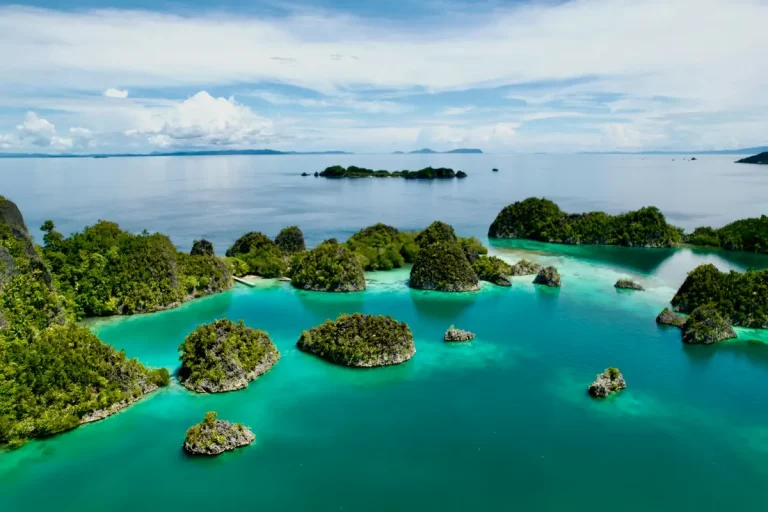
The impact of tourism on Derawan Island is multifaceted. Located off the coast of East Kalimantan, Indonesia, Derawan is renowned for its rich marine biodiversity and pristine beaches. While tourism brings economic benefits and raises awareness about the island’s natural wonders, it can also threaten the delicate Derawan ecosystem through pollution, habitat disruption, and increased resource demand. The island sees an influx of tourists, particularly during the dry season from April to November, which is considered the peak period for diving and snorkelling activities.
Tourism Effects on the Derawan Ecosystem
Tourism effects on Derawan can be seen in various forms:
- Increased waste and pollution: Tourists generate a significant amount of waste, particularly plastic, which often ends up in the ocean. A study conducted in 2023 estimated that approximately 15 tonnes of waste are generated monthly during peak season, posing a threat to marine life such as turtles and fish.
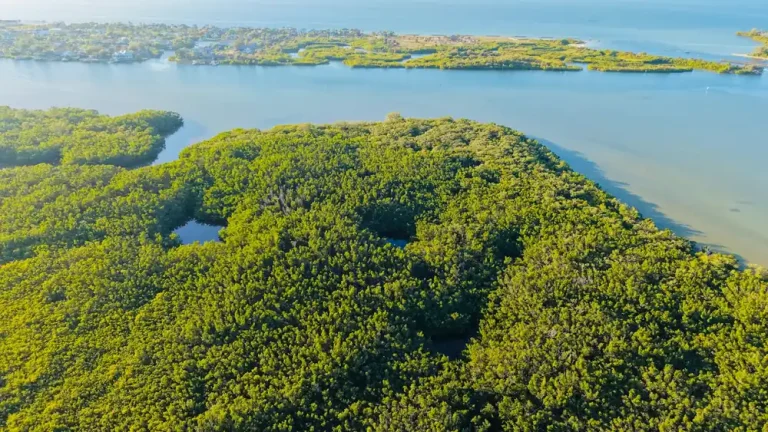
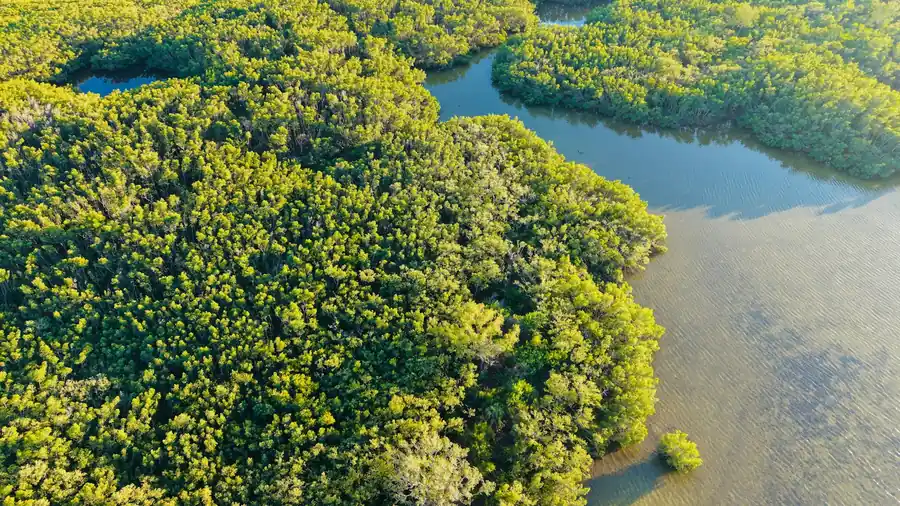
- Disturbance of natural habitats: The construction of hotels, resorts, and other tourist facilities often leads to habitat disruption. In recent years, areas like the mangrove forests, which are crucial for maintaining coastal ecosystems, have been encroached upon to accommodate infrastructure.
- Overfishing: To cater to tourists’ demand for fresh seafood, local fishermen engage in overfishing. This practice depletes fish stocks and affects the balance of marine ecosystems. For example, the population of certain fish species has decreased by nearly 30% in the past decade.
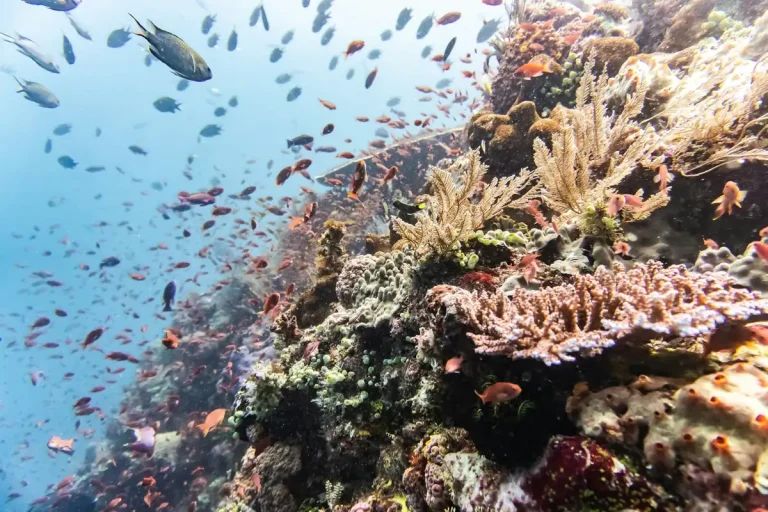
- Coral reef damage: Unsustainable diving and snorkelling practices, such as touching or breaking corals, have led to significant damage. It is estimated that around 40% of the island’s coral reefs have been affected, reducing their ability to support marine life.
Conservation Efforts and Sustainable Practices
Efforts are underway to mitigate the negative impact of tourism on Derawan Island’s ecosystem. These include promoting sustainable tourism practices, enforcing regulations on waste management, and educating visitors about responsible behaviour. Local authorities have implemented programmes to clean beaches and remove plastic waste regularly. Additionally, environmental groups conduct workshops for tourists and locals alike, emphasising the importance of conservation. Dive operators are encouraged to follow best practices, such as limiting the number of visitors to sensitive areas and ensuring that all activities are carried out in an environmentally friendly manner.
Economic Benefits vs. Environmental Costs
The economic benefits of tourism on Derawan Island are undeniable. Tourism provides jobs and boosts local businesses, which is crucial for the island’s economy. For instance, the hospitality and service sectors employ a significant portion of the island’s population, and tourism-related activities contribute substantially to the island’s GDP. However, balancing these benefits with the need to protect the island’s natural environment is a complex challenge that requires careful planning and community involvement. Local government initiatives aim to create alternative livelihoods for those dependent on tourism, such as promoting eco-friendly agriculture and handicrafts.
2027 Note: The Future of Tourism on Derawan Island
As of 2027, there is a growing emphasis on implementing eco-friendly tourism strategies on Derawan Island. The focus is shifting towards sustainable tourism models that protect the environment while still allowing for economic growth. Initiatives such as the introduction of marine protected areas and the regulation of tourist numbers aim to ensure that tourism remains sustainable. The future of Derawan will depend on the successful integration of these strategies, which require cooperation between government bodies, local communities, and the tourism industry.
FAQ
How does tourism affect the ecosystem of Derawan Island?
Tourism affects Derawan Island’s ecosystem by increasing pollution, disrupting habitats, and putting pressure on local resources. Sustainable practices, such as regulated waste management and responsible tourism behaviour, are essential to mitigate these impacts.
What measures are being taken to protect Derawan’s ecosystem?
Measures include enforcing waste management regulations, promoting eco-friendly tourism, and educating visitors about the importance of conservation. Initiatives are in place to protect coral reefs through controlled diving practices and the establishment of marine protected areas.
Is tourism beneficial for Derawan Island?
While tourism provides economic benefits, it can also harm the environment. Sustainable tourism practices, such as limiting visitor numbers and promoting eco-friendly activities, are needed to balance these effects and ensure the long-term health of Derawan’s ecosystem.