Manta Ray and Jellyfish Lake Season at Derawan: When to Visit (2026)
Updated: September 2026
When the mantas show up, when the jellyfish are dense.
Derawan diving runs year-round but conditions vary. Here’s the seasonal calendar; our Derawan trips are snorkel-based and scuba diving is not included. (See Derawan Islands for context.)
Derawan sits 2° north of the equator. Climatologically, it has wet and dry seasons but they are mild — there’s no hard “closed” season the way Raja Ampat or Wakatobi shut down. What changes month to month is visibility, wind, and the specific marine activity that draws photographers here.
The honest calendar
| Month | Conditions | Manta sightings | Jellyfish density |
|---|---|---|---|
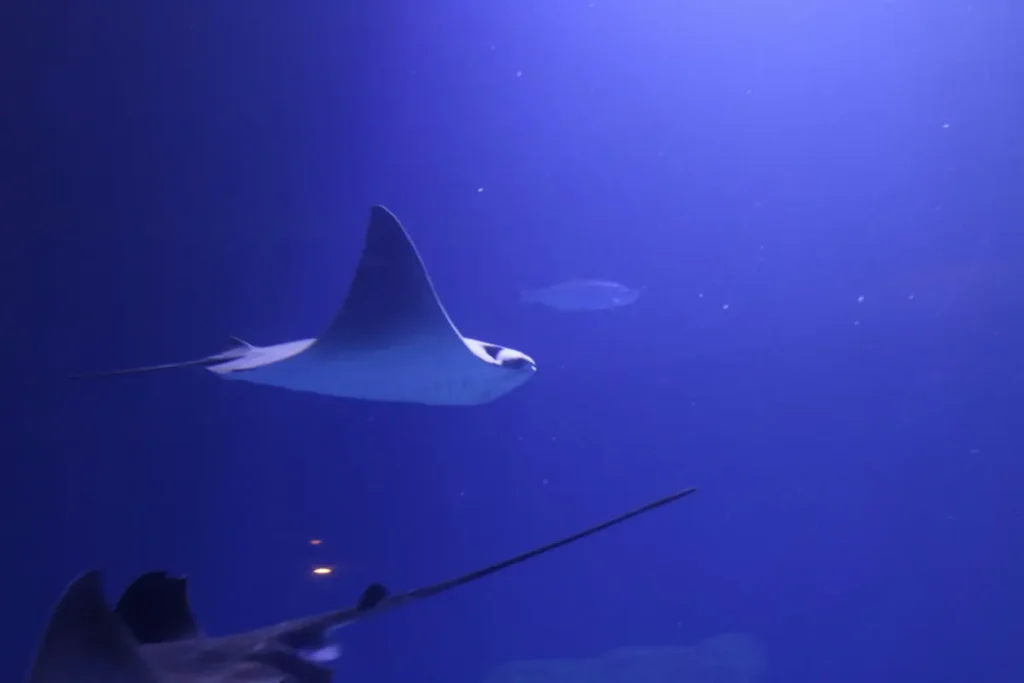
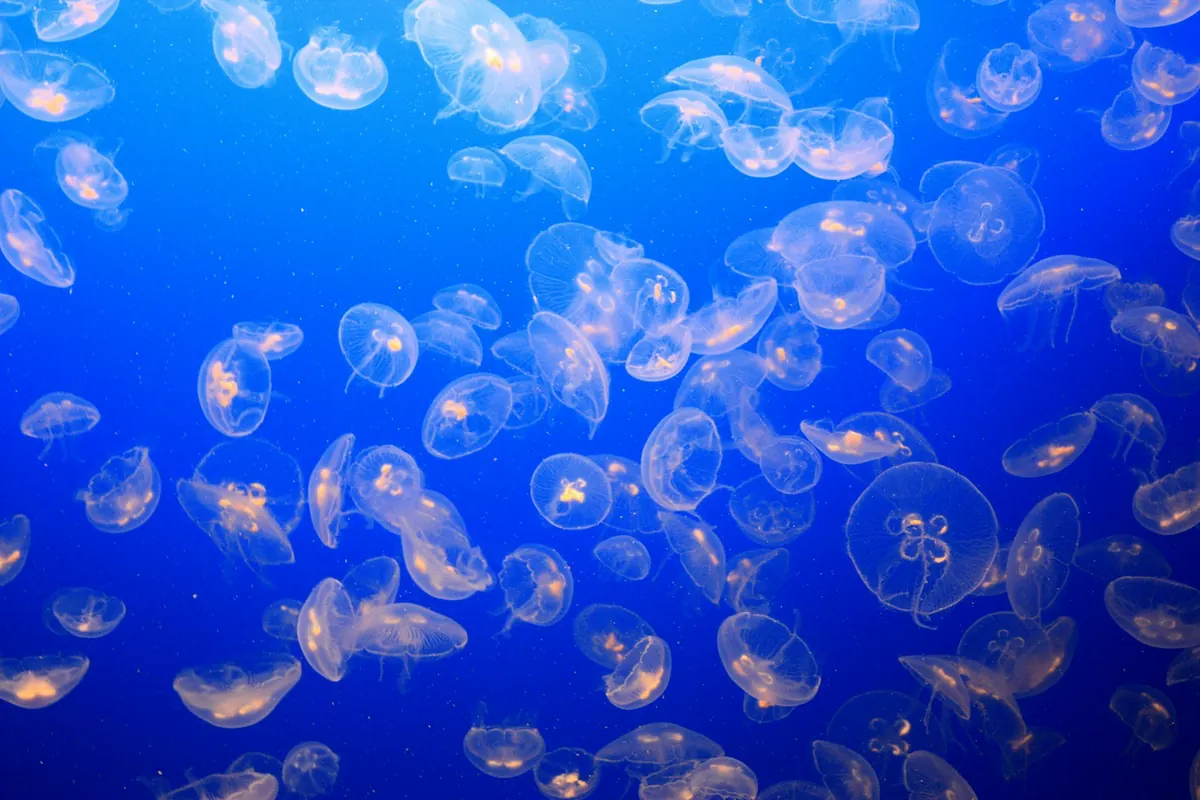
| January-Feb | Calm, vis 25-30m. Light NW wind. | High (90%+) | Peak — millions visible |
| March-April | Best viz of the year (30-40m). | Very high | Peak |
| May-June | Slight wind, vis 22-28m. | High | High |
| July-Aug | SE monsoon, vis 18-22m. Rough crossings. | Moderate | Stable |
| Sept-Oct | Transitioning. Wind dropping. | Increasing | Building |
| Nov-Dec | Good. Vis 25-28m. Manta numbers building. | High | High |
Best season, our pick: April to November
The best season is April to November, with sunnier, clearer weather for the crossings between the islands; December to March is the wetter period. Our open trips still depart in every month.
Windier weeks
Mid-July through August has the SE monsoon — wind 25-30 knots, rough crossings between Maratua and Sangalaki. These weeks still fall inside the April to November best season, and our trips run then too.
Shoulder season: October/November
For repeat visitors who don’t need peak conditions, October’s first half, still inside the April to November best season, offers similar-quality conditions.
Match my dates to conditions
Tell us your travel window and we’ll tell you what you’ll see. Honest seasonal advice.
Unveiling the Derawan Archipelago’s underwater wonders beyond the season’s stars
Imagine sunlight dappling through turquoise waters, illuminating a vibrant kaleidoscope of coral where majestic green sea turtles glide with ancient grace, a scene that unfolds daily in the Derawan Archipelago, far beyond the seasonal dance of manta rays and jellyfish. While the magnetizing ballet of these iconic creatures understandably draws visitors, the true allure of Derawan lies in its expansive marine biodiversity, a living tapestry within the heart of the Coral Triangle. This region, often hailed as the Amazon of the seas, features the highest diversity of marine life on Earth. The Derawan Islands, a proposed UNESCO World Heritage
Imagine gliding through waters so clear they feel like air, a silent ballet unfolding as a majestic manta ray effortlessly mirrors your ascent, or drifting in a freshwater lake where millions of stingless jellyfish pulse around you like living jewels. While the peak seasons for Derawan’s iconic manta rays and the ethereal Jellyfish Lake are undoubtedly draws, the archipelago offers a symphony of luxury and biodiversity that resonates year-round for the discerning traveler.
Derawan’s underwater tapestry: A year-round spectacle for the discerning diver
Beyond the seasonal highlights, the Derawan archipelago stands as a crown jewel within the Coral Triangle, the global epicenter of marine biodiversity. This unparalleled location ensures that its waters teem with life every single day, creating an underwater tapestry that continually unfolds new wonders. While manta rays and jellyfish are undoubtedly magnetic, the sheer abundance of other species, from vibrant reef fish to majestic pelagics, guarantees an awe-inspiring experience regardless of the specific calendar date. The health and vibrancy of these reefs are a testament to ongoing conservation efforts, presenting an intact ecosystem rarely found elsewhere.
For those who seek more than just a glimpse, Derawan is a sanctuary for several species of sea turtles, most notably the critically endangered green sea turtle and the hawksbill turtle. Sangalaki Island, a short boat ride from Derawan, is renowned as a major nesting site, offering ethical opportunities to witness these ancient mariners in their natural habitat. Divers and snorkelers frequently encounter schooling barracudas, reef sharks patrolling the vibrant coral gardens, and an incredible array of macro life that delights underwater photographers. The region boasts over 600 species of reef-building corals, representing 76% of the world’s total, creating a kaleidoscopic backdrop for every dive.
Luxury diving in Derawan transcends a mere activity; it is a curated immersion. Private dive masters, intimately familiar with every hidden grotto and secret cleaning station, lead bespoke expeditions tailored to individual preferences and skill levels. Whether you prefer deep wall dives, drift dives, or exploring shallow coral gardens, the personalized service ensures maximum comfort and discovery. Imagine returning from a private charter to a waiting gourmet meal, discussing the day’s sightings with an expert naturalist, all within the serene luxury of your resort. This commitment to exclusivity and personalized exploration defines the Derawan underwater experience.
Crafting your bespoke Derawan journey: From arrival to opulent retreat
Reaching Derawan Island is part of its allure, a journey that signals your arrival at a truly exclusive destination. You fly (booked by you) to Kalimarau Airport (BEJ) in Berau, East Kalimantan. From Berau, the adventure continues with a scenic overland transfer of about 2.5 to 3 hours to Tanjung Batu, followed by a speedboat journey of about 40 minutes across the Celebes Sea to Derawan. This final leg is not merely transit but an integral part of the experience, offering stunning vistas of turquoise waters and distant islands, hinting at the untouched beauty that awaits.
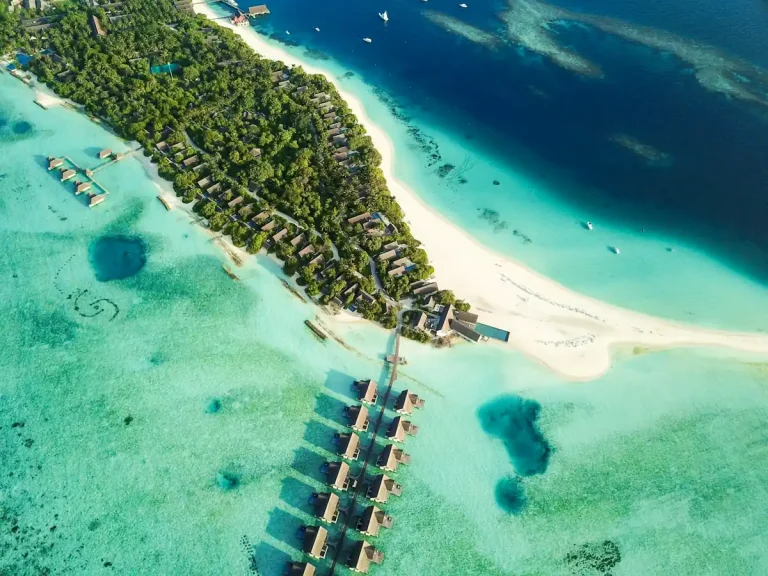
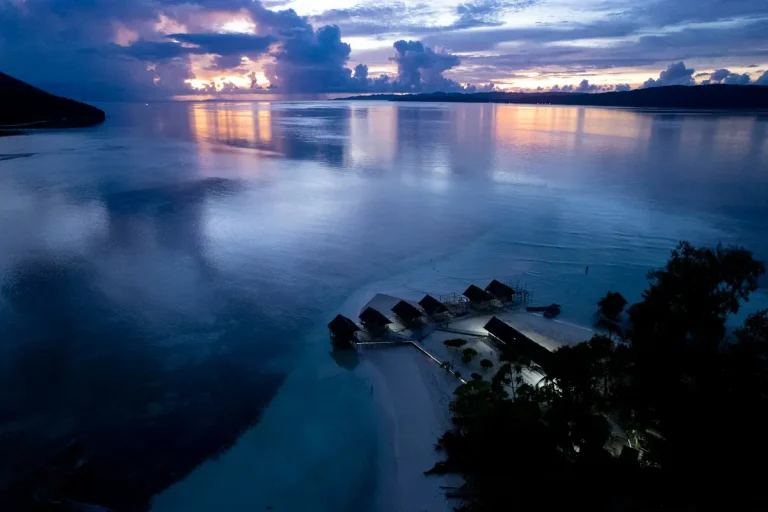
Upon arrival, Derawan’s luxury accommodations provide a seamless transition into opulent tranquility. Resorts here are designed to blend harmoniously with the natural environment, often featuring overwater bungalows that offer direct access to the ocean from your private deck, or secluded beachfront villas with panoramic views. These retreats prioritize privacy and comfort, equipped with modern amenities, expansive living spaces, and often private plunge pools. Expect world-class service, where every detail, from personalized welcome amenities to turndown service, is meticulously managed to anticipate your needs, allowing you to fully unwind in an idyllic setting.
Beyond the standard offerings, a luxury Derawan escape is characterized by its bespoke services. Private charters are readily available for island hopping, ensuring flexibility and exclusivity for your explorations. Culinary experiences are elevated, with resorts often offering private dining options on secluded beaches, or custom menus prepared by skilled chefs featuring the freshest local seafood and international delicacies. Dedicated concierge services can arrange everything from private yoga sessions overlooking the ocean to guided nature walks, ensuring that every aspect of your stay is perfectly tailored to create an unforgettable, deeply personal Indonesian sojourn.
Beyond the blue: Cultural encounters and island adventures in the Derawan archipelago
While the underwater realm is undeniably Derawan’s star attraction, the archipelago offers a rich tapestry of experiences above the waves. Island hopping is an essential part of any luxury itinerary, allowing you to discover the distinct personalities of neighboring islands like Maratua, Kakaban, and Sangalaki. Maratua, with its dramatic cliffs and hidden caves, provides a contrasting landscape to Derawan’s flat sandy shores, while Kakaban, home to the famous stingless jellyfish lake, also boasts a brackish water lagoon teeming with unique species. These excursions are often conducted via private speedboat, allowing for spontaneous stops at pristine, uninhabited beaches for exclusive picnics or snorkeling in untouched coves.
For those seeking a deeper connection with the local culture, curated visits to the villages of the Bajau Laut, or Sea Nomads, offer a rare glimpse into a traditional way of life. The Bajau people, an ethnic group numbering over one million across Southeast Asia, have for centuries lived in harmony with the ocean, their homes often built on stilts over the water. These respectful encounters can be arranged through your luxury resort, providing an opportunity to learn about their unique customs, fishing techniques, and their profound connection to the marine environment. It is an experience that adds a poignant human dimension to the natural wonders of the archipelago, fostering a greater appreciation for the region’s heritage.
Beyond cultural immersion, the Derawan archipelago offers a multitude of unique natural features to explore. On Maratua, discover stunning limestone caves with crystal-clear freshwater pools, a refreshing alternative to the salty sea. Kayaking through mangrove forests, bird watching for endemic species, or simply enjoying a sunset cruise with cocktails are all part of the curated luxury experience. The emphasis is on experiencing the raw, untamed beauty of Indonesia in comfort and style, creating memories that extend far beyond the typical tourist path and resonate with the spirit of adventure that defines Derawan Island’s discerning readers.