Derawan vs. Sangalaki vs. Maratua: Which Island for Which Dive?

Updated: September 2026
Three islands. Three different roles.
The Derawan archipelago has three named diving islands. They are not interchangeable. Here’s where to dive what, where to sleep, and where to skip. (See Derawan Islands for context.)
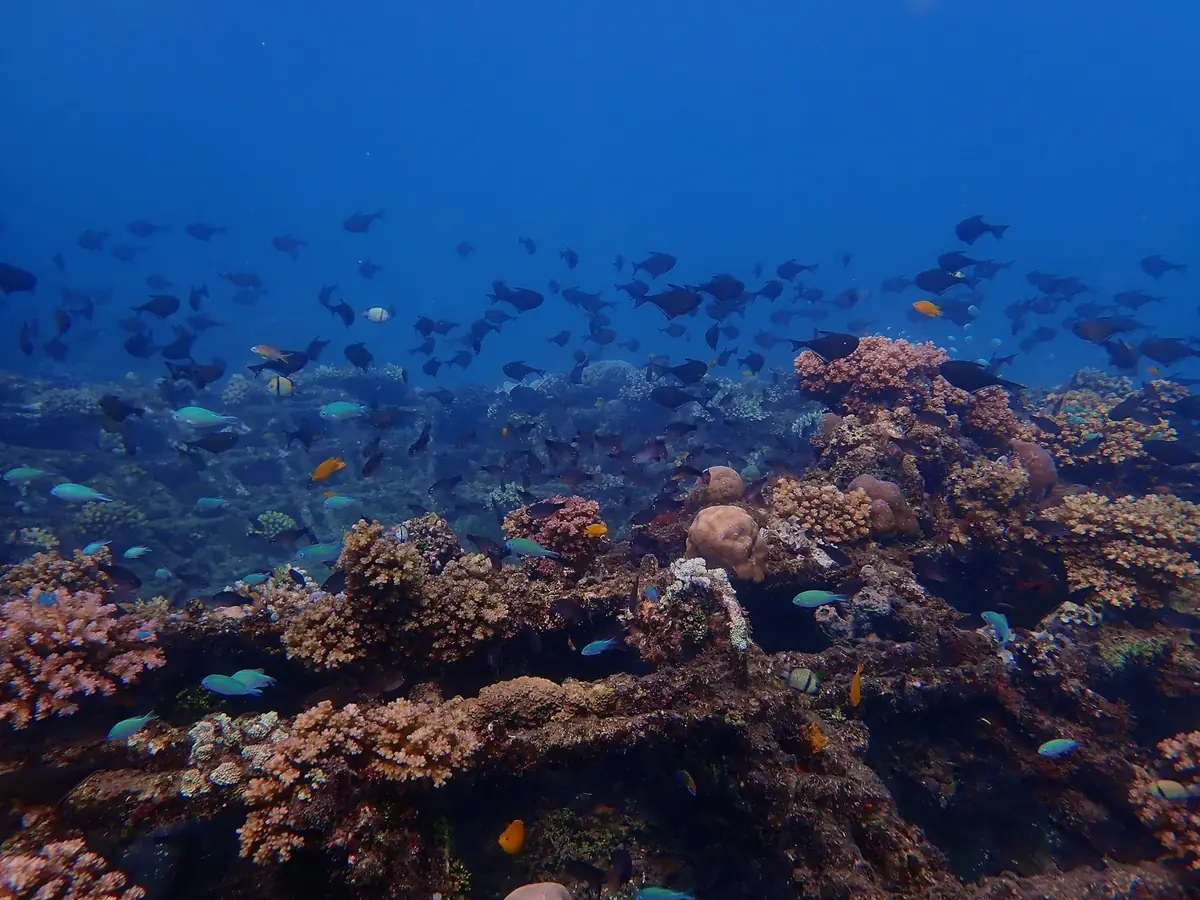
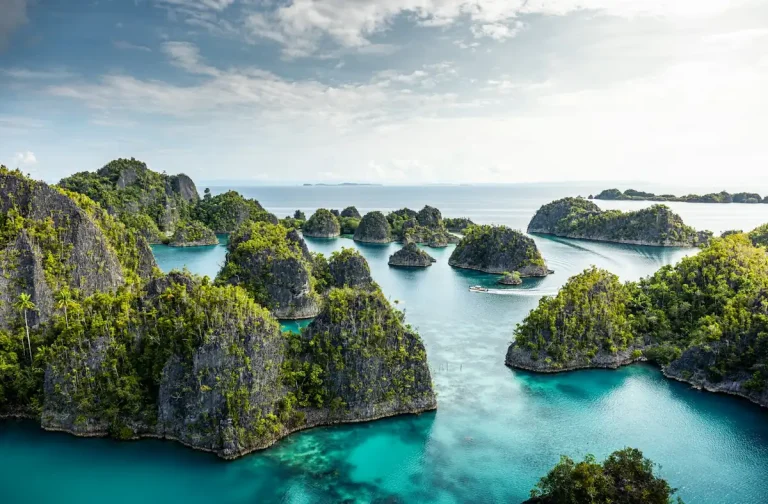
The Derawan name covers an archipelago of about thirty islands, but for divers only three matter: Derawan Island itself, Sangalaki, and Maratua. They sit within a triangle roughly 50 km on each side, all reachable by speedboat from each other in 60-90 minutes.
Most first-time visitors get this wrong. They book accommodation on Derawan Island (where the speedboats from Tanjung Batu arrive), then realize the best diving is at Sangalaki and Maratua and spend their days commuting. The pattern below saves you that mistake.
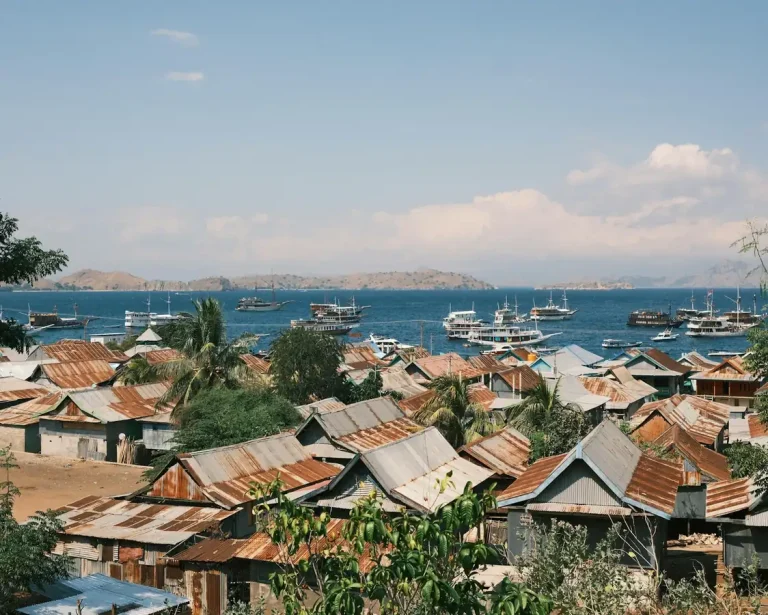
Derawan Island — the gateway, not the destination
Derawan Island has the gateway infrastructure: a few homestays, two restaurants, the harbor where the speedboats dock. The diving here is decent but secondary — the house reef has good macro (mantis shrimp, frogfish) but no manta cleaning station.
What to do here: arrive, sleep one night if your flight schedule requires it, then leave. Don’t structure your trip around Derawan Island.
Sangalaki — the manta island
Sangalaki is the smallest of the three, a 22-hectare island ringed by reef. Its claim is Manta Point — a cleaning station roughly 800m off the southwest beach where reef manta rays gather year-round. Sightings are reliable (we estimate 80% on a single morning dive, 95% over two attempts).
It’s also Indonesia’s largest green turtle nesting beach. From March to October, you can join a WWF ranger walk at night and watch nesting females, then hatchlings in the morning at the right time of cycle.
What to do here: 1-2 days, 4-6 dives, ranger turtle walk one night. Single eco-resort on the island; book 4-6 months in advance.
Maratua — the wall island
Maratua is by far the largest (380 km²) and has the most varied diving. Big Fish Country is a current-driven channel where schooling barracuda form tornados; Reef Garden is a gentle muck-and-coral mix; and the wall at the southeast tip drops to 1,000m+ within finning distance of shore.
Maratua is also where most boutique resorts are located — Nabucco, Maratua Paradise, plus a handful of homestays. Mobile signal exists but is patchy; bring offline maps.
What to do here: 2-3 days, 6-9 dives. Day-trip from here to Kakaban (jellyfish lake) and Sangalaki (manta).
Kakaban — the jellyfish lake (snorkel only)
Kakaban is uninhabited. Its central lake is a former marine basin closed off by tectonic uplift, now a brackish saltwater lagoon containing roughly 60 million stingless jellyfish. The species evolved in isolation for ~5,000 years and lost their stinging cells. You snorkel among them. There is no diving (lake floor has no oxygen).
Day trip from Maratua, 2-3 hours including transit. Bring sun protection — there’s no shade on the island. Sunscreen wash-off is banned (it kills jellyfish); bring rash guards instead.
The right pattern
Sleep in Maratua. Dive Maratua + Sangalaki. Day-trip Kakaban once. Skip Derawan Island except for transit. You’ll come home with the right photos.
We arrange the right rotation
Our 3D2N and 4D3N trips visit Derawan, Maratua, Kakaban and Sangalaki in the right order. Our Derawan trips are snorkel-based; scuba diving is not included.
Derawan’s refined charm and exclusive escapes
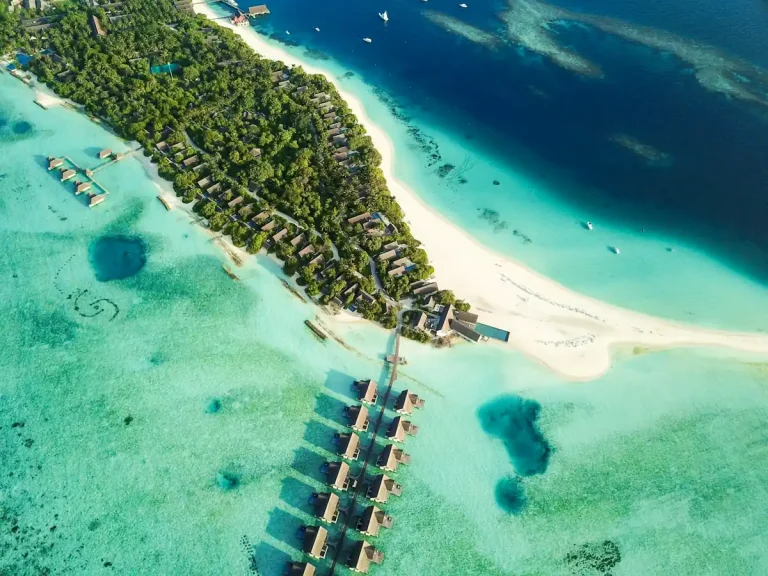
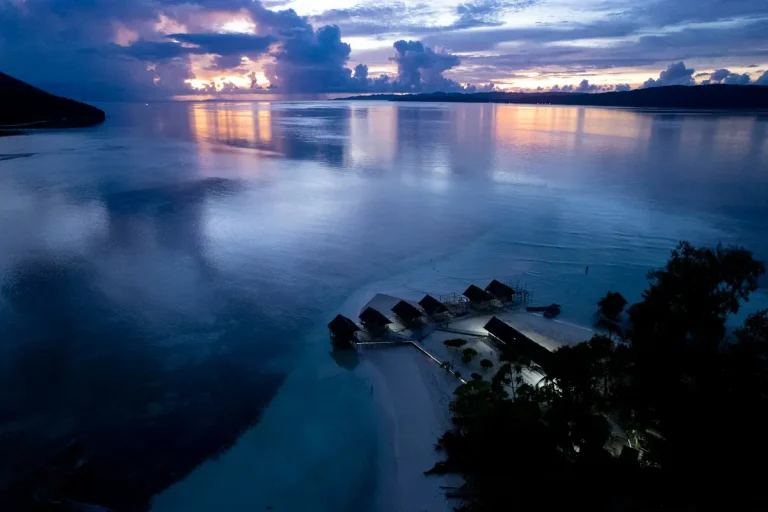
Imagine the gentle sway of your overwater bungalow, the turquoise expanse stretching to the horizon, a private sanctuary offering unparalleled views of the Celebes Sea. While the archipelago is famed for its underwater spectacles, Derawan Island itself offers a distinctive blend of local authenticity and discreet luxury that appeals to the discerning traveler. Here, high-end resorts seamlessly integrate with the natural environment, providing amenities like private plunge pools, gourmet dining experiences featuring fresh, locally sourced seafood, and bespoke spa treatments designed to rejuvenate after a day exploring the depths. Guests can choose from a range of accommodations, from elegant beachfront villas to stilted retreats where the ocean’s lullaby is your constant companion.
Beyond the opulent confines of your resort, Derawan Island invites exploration of its charming village. Stroll through the sandy lanes, observe local life, and perhaps discover a hidden eatery serving traditional Indonesian delicacies. This unique juxtaposition of authentic cultural immersion and sophisticated comfort defines the Derawan luxury experience. For non-divers or those seeking a day of relaxation, the island offers opportunities for paddleboarding, kayaking through clear lagoons, or simply unwinding on pristine white-sand beaches, often with no one else in sight. The commitment to providing a serene, uncrowded atmosphere is paramount, ensuring that every moment feels exclusive and deeply personal.
Curating your ultimate dive safari across the archipelago
The true magic of the Derawan archipelago for the luxury diver lies not just in visiting a single island, but in the seamless, custom-tailored journey across its diverse marine landscapes. Beyond the well-trodden paths to Sangalaki’s manta rays and Maratua’s barracuda tornadoes, a bespoke itinerary allows for the exploration of lesser-known gems and unique phenomena. Consider a private yacht charter, complete with a personal dive master and gourmet chef, offering the ultimate flexibility to chase specific marine encounters or linger longer at a favorite reef. This level of personalized service ensures that every dive is perfectly aligned with your desires, from seeking elusive pygmy seahorses to navigating vibrant coral gardens.
One such unparalleled experience is a visit to Kakaban Island, home to the world-renowned jellyfish lake – a distinctive phenomenon where millions of stingless jellyfish glide through brackish water, offering a surreal, otherworldly snorkel or freedive. This natural wonder, located just a short boat ride from Maratua, exemplifies the extraordinary diversity of the region. The Derawan archipelago sits within the Coral Triangle, a global epicenter of marine biodiversity, boasting over 500 species of coral and more than 2,000 species of reef fish. A luxury dive safari here is not merely about seeing fish, but about experiencing an entire ecosystem, carefully guided by experts who understand its delicate balance and hidden treasures.
For more on the extraordinary biodiversity of the region, explore the Coral Triangle on Wikipedia.
Embracing responsible luxury and marine stewardship
For the conscientious luxury traveler, the Derawan archipelago offers not just striking beauty but also a profound commitment to marine conservation. High-end resorts and dive operators in the region increasingly champion sustainable practices, understanding that the health of the ocean is intrinsically linked to the longevity of their exquisite offerings. Many establishments participate in or fund local initiatives, from coral reef restoration projects to marine protected area management. Guests are often invited to learn about these efforts, perhaps even joining a guided tour to a coral nursery or participating in beach clean-ups.
This dedication to stewardship extends to responsible wildlife interaction protocols. For instance, strict guidelines are in place for encountering Sangalaki’s majestic manta rays and Derawan’s green sea turtles, ensuring minimal disturbance to these iconic creatures. Dive guides are meticulously trained to educate guests on best practices, fostering an appreciation that goes beyond mere observation. Investing in a luxury experience here often means contributing directly to these vital conservation programs, with a portion of resort fees or dive package costs frequently channeled into local community development and environmental protection. This blend of unparalleled indulgence and ethical responsibility creates a travel experience that is both deeply enriching and impactful.
Discover more about Indonesia’s commitment to sustainable tourism at Indonesia.travel.